
The Nikon Photomic FTN: A Camera for the Ultimate Shooting Environment — Space
No.10 | 1971 | Exploring the "Extreme"
In 1971, Apollo 15 made history by becoming the first lunar mission during which a vehicle was driven on the Moon's surface.
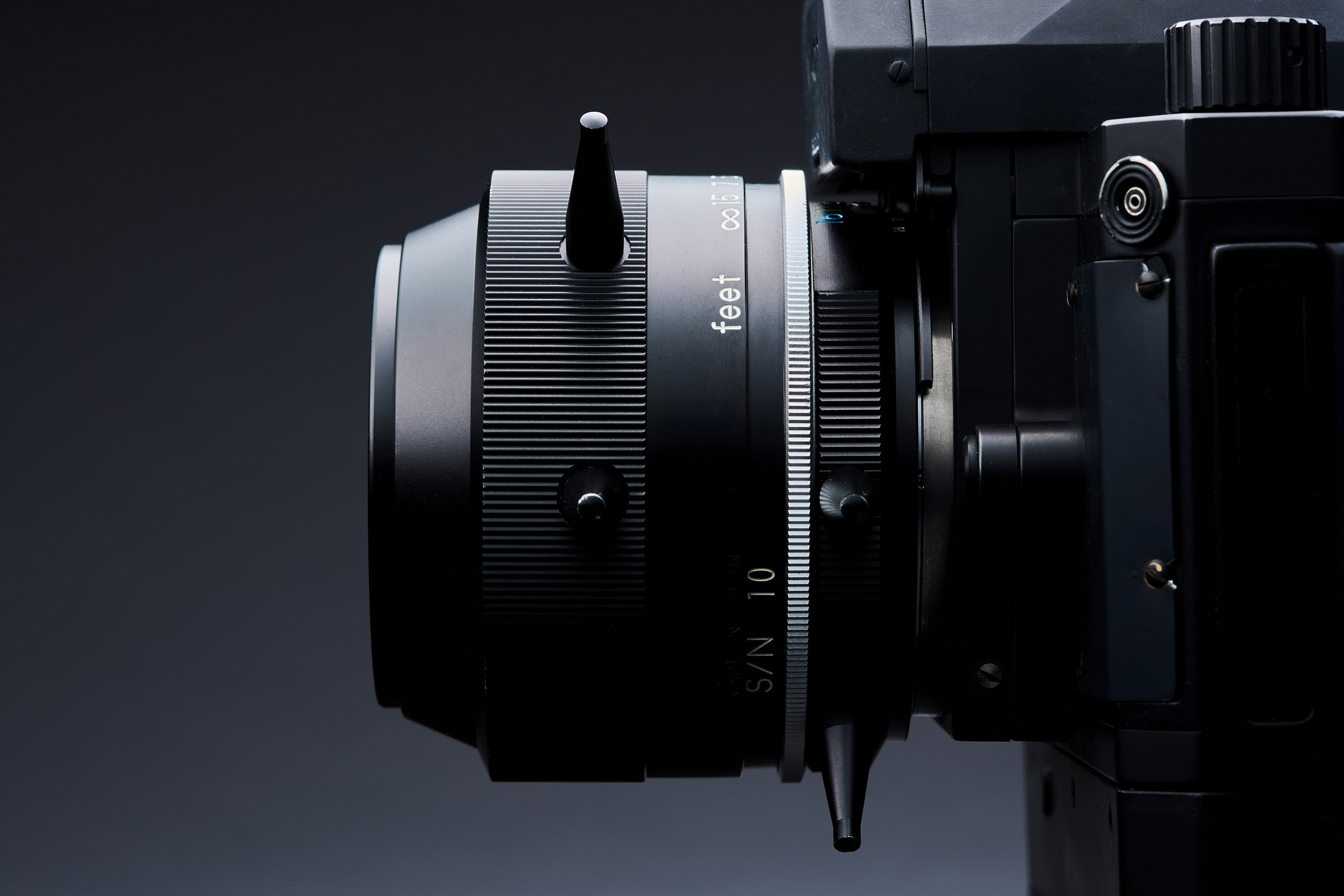
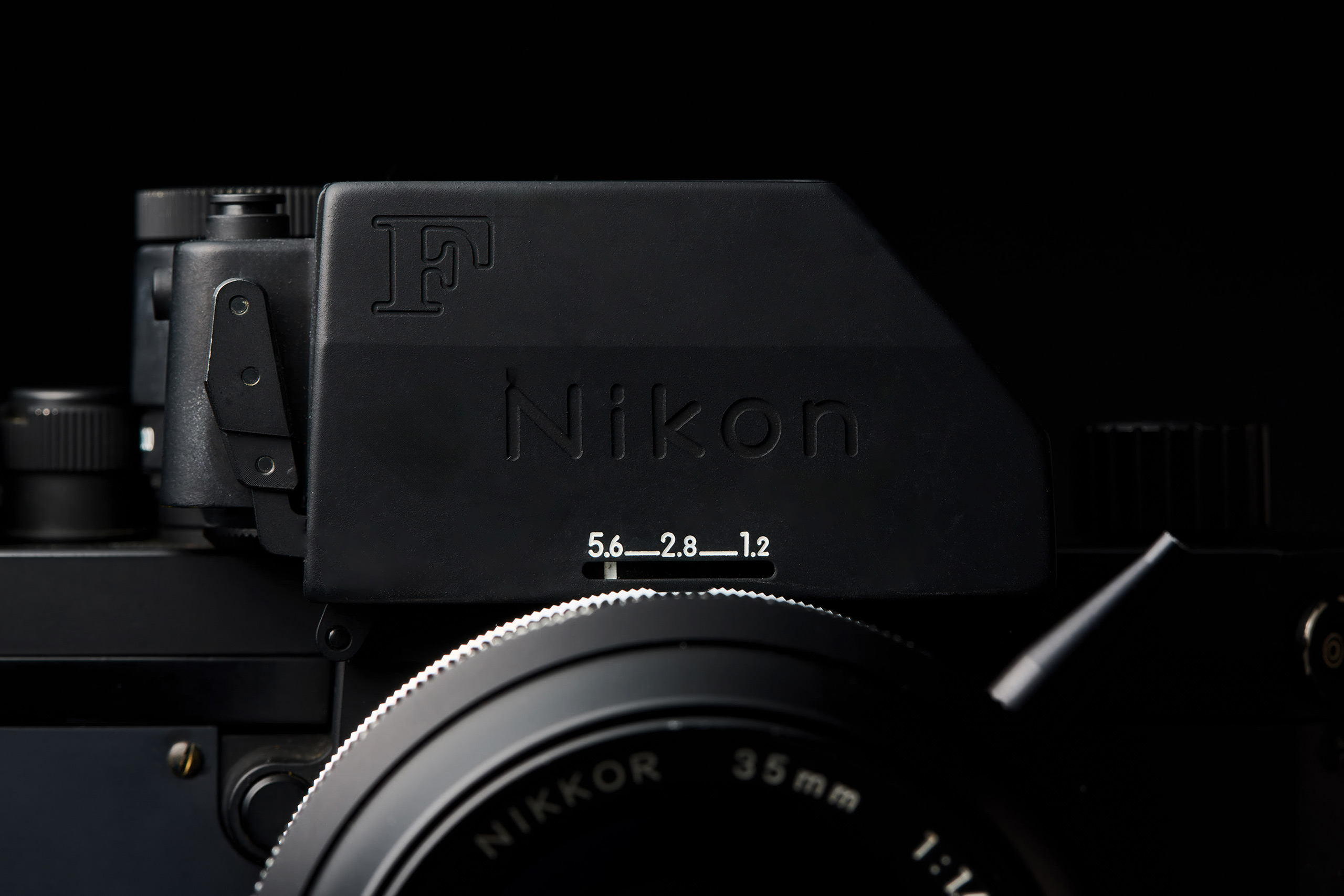
Accompanying this groundbreaking mission was a specially modified camera based on the Nikon Photomic FTN.
This article delves into the technological innovation and craftsmanship required to ensure reliable performance 380,000 kilometers away from Earth, in one of the harshest environments imaginable.
The violent vibrations and shocks during launch, vacuum, extreme temperature fluctuations ranging from -100°C to +120°C, and intense radiation — all of these factors relentlessly challenge equipment sent into the harsh environment of space, the ultimate shooting location. In an environment where repairs and part replacements are impossible, even a single malfunction is unacceptable.
In 1965, Nikon received an inquiry from NASA requesting the development of an ultra-wide-angle 220-degree lens. This led to the creation of the Fisheye Nikkor 6mm f/5.6. With the successful delivery of this lens, Nikon's technical capabilities gained recognition from NASA. Then, in January 1971, the Nikon Photomic FTN was officially selected as the camera to be carried aboard the Apollo 15 mission to the Moon.
The reason this camera was chosen for NASA's demanding missions was rooted in the proven performance of Nikon's 35mm film camera system, which emphasized agility, and the Nikon F's reputation for reliability as a commercial SLR camera. The Nikon Photomic FTN was based on the Nikon F, and the strong reputation built over the years ultimately led to its adoption for use in the extreme environment of space.
Shedding Earthly Assumptions
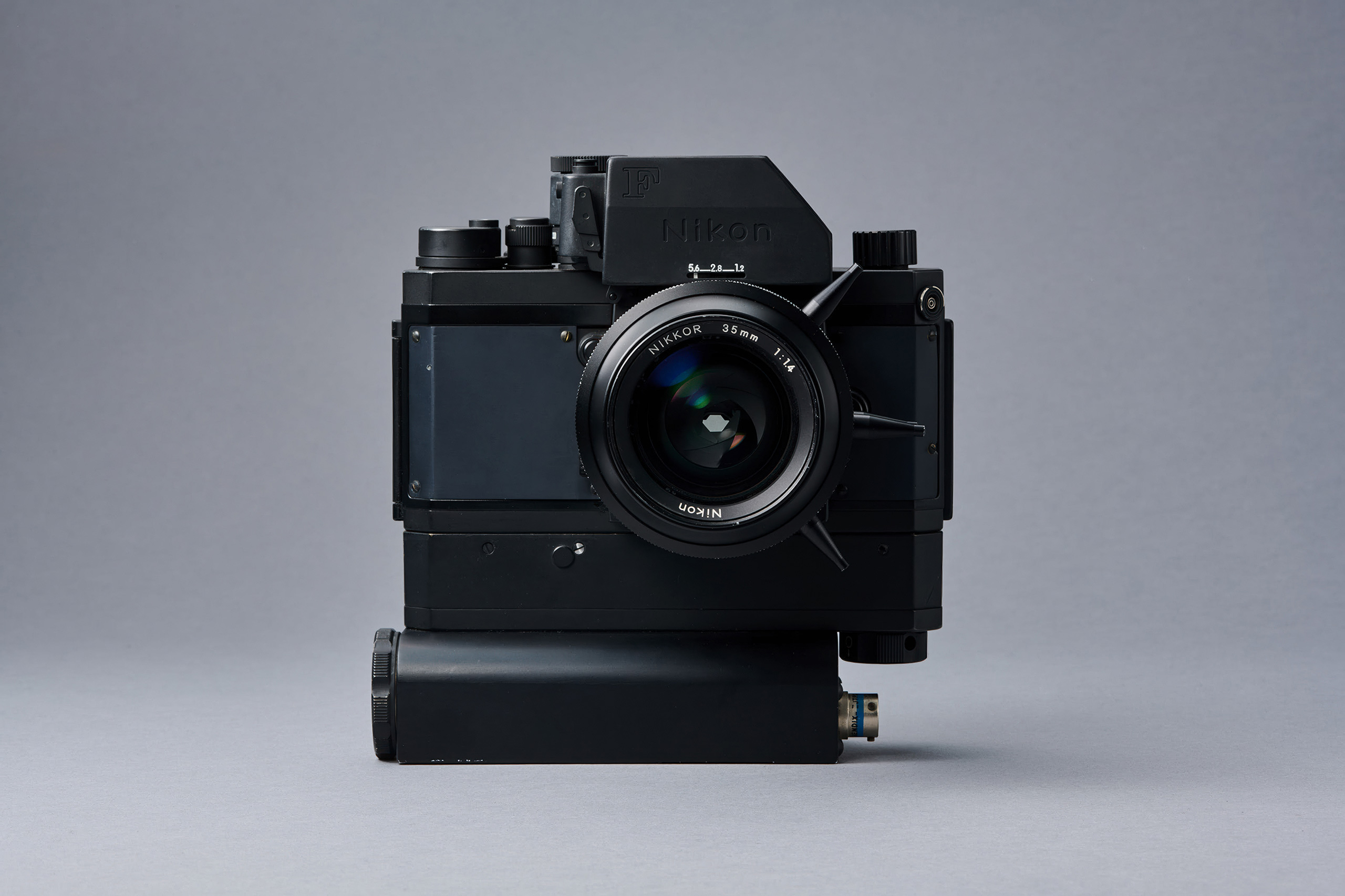
The most challenging part of modifying the camera for space use was the complete overhaul of materials. On Earth, common materials like rubber, plastic, and lubricants pose no issue, but in a vacuum, they can quickly deteriorate or evaporate and interfere with the camera's operation. Every component had to be replaced with metal or special NASA-approved materials.
The synthetic leather used for the camera body was replaced with special metal panels. To prevent any effects to onboard instruments from sunlight reflections, or reflections that might occur when shooting through a porthole, its entire surface was coated in matte black. Even the Nikon logo was largely blacked out, leaving only the minimum necessary markings.
Ensuring the utmost reliability of the electrical system was another critical task. A fire inside the spacecraft could lead to catastrophic consequences. Therefore, all soldering work had to be performed under strict supervision by certified technicians who had completed training at NASA's soldering school, to achieve the maximum accuracy with the smallest possible amount of solder. All circuit boards were protected with conformal coating to prevent malfunctions due to vibration or contact failures.
Ensuring Reliable Operation Even When Wearing a Spacesuit
Equally as important as the technical improvements were the considerations for actual operating environments. Astronauts wear thick gloves as part of their spacesuits, making the kind of delicate operations performed with the bare hands on Earth nearly impossible.
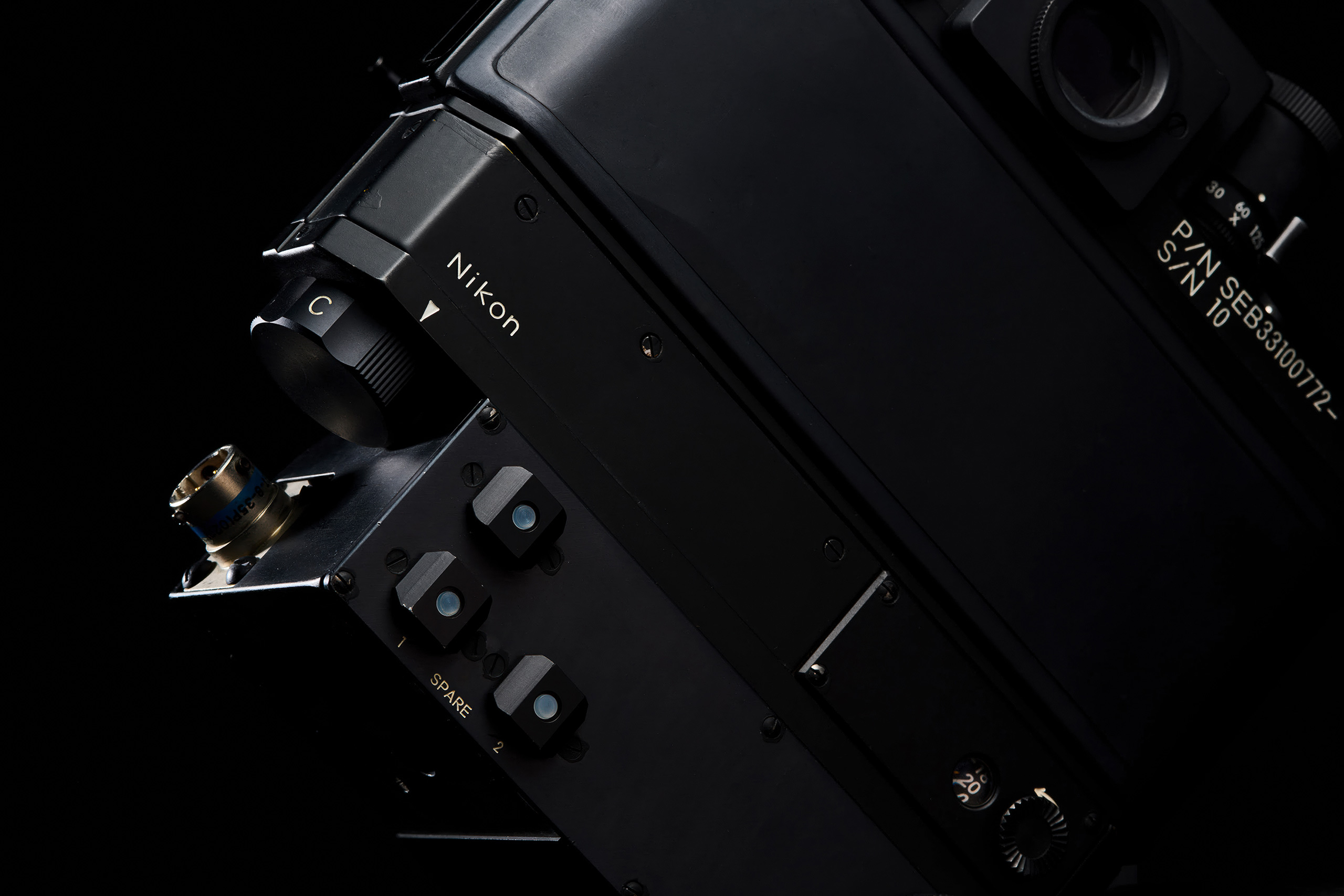
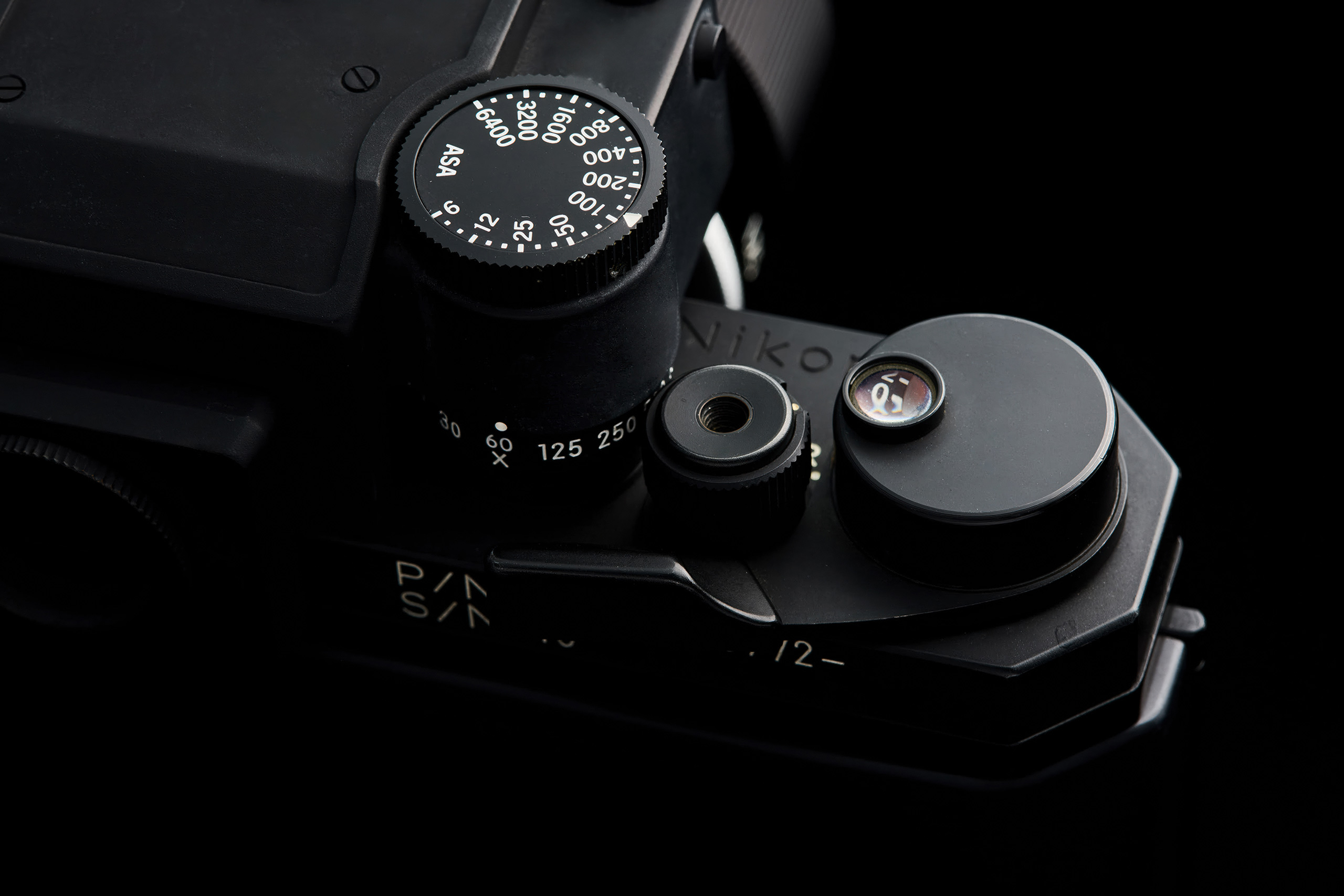
To address this, special protrusions were added to the lens. Astronauts adjusted focus by rotating two horn-like levers attached to the focus ring — a unique control system designed for gloved hands. The film advance lever was fitted with an enlarged thumb grip, and the rewind knob was made larger as well. The frame counter window and its markings were also designed to be bigger and more easily readable.
Thanks to these modifications, astronauts could operate the camera reliably even while fully suited for spacewalks. To optimize the camera for an environment entirely unlike any on Earth, conventional design assumptions had to be abandoned in favor of bold, purpose-built innovation.
A Race Against Time: Knowledge and Ingenuity Under Pressure
From the contract signing in January 1971 to the delivery in June, Nikon had only five months to complete development — a battle that demanded the full force of the company's technical expertise. A special in-house unit called the "S-Team" was formed, dramatically shortening the usual development process by running design and manufacturing in parallel.
The strictest aspect was the quality standards. The shutter accuracy was set to an even stricter level than Nikon's already high standards, and durability testing was significantly intensified. Performance had to be verified under extreme conditions rarely considered on Earth: radiation tests, high- and low-temperature trials in a vacuum, humidity tests, and acceleration tests.
In June, nine cameras equipped with 55mm f/1.2 lenses were completed and delivered, fully meeting NASA's exacting requirements. Then, after the Apollo 15 astronauts successfully achieved the first-ever drive of a vehicle on the lunar surface, they returned to Earth in August, bringing back invaluable records captured by the Nikon Photomic FTN.
Constraints as the Source of Innovation
What stands out most in the development of the space-ready Nikon Photomic FTN is how extreme constraints sparked groundbreaking solutions. Limitations on materials, demands on operability, and absolute reliability requirements forced engineers to overturn conventional thinking and pursue true innovation.
Selecting the optimum materials, which might seem obvious on Earth, becomes an important factor that could determine the success or failure of a mission in space. Even changes to details like the soldering can dramatically improve the reliability of an electrical system through learning and applying the strict techniques that NASA standards require.
This spirit of "innovation under constraints" carried forward to the development of the F3 NASA model in 1980, which introduced automatic exposure functionality — a higher level of automation for an even harsher space environment, demanding yet more refined technologies.
For engineers, constraints are not obstacles; they are catalysts for creativity. The Nikon Photomic FTN's success in space is a testament to the fundamental truth of craftsmanship: it is precisely when faced with restrictions that human ingenuity advances. This principle extends far beyond space development — it may well be a universal truth in all forms of manufacturing.
Contents supervisor: WIRED JAPAN, Japanese text: Hideto Mizutani, Photography: Junpei Kato, Editing: Shinya Yashiro
Frontiers of Vision
- The Nikon Photomic FTN: A Camera for the Ultimate Shooting Environment — Space
- The Ultra Micro-NIKKOR: The Industrial Lens That Laid the Foundation for Japan’s Semiconductor Industry
- The D1 camera: Transforming professional workplaces into the digital era
- The COOLPIX 900: Paving the way for digital shooting
- The NIKONOS all-weather camera: capturing the world in any conditions
- The profile projector: the unsung equipment supporting the precision of manufacturing
- The COOLSCAN: A “personal × digital” realm created by digitalization
- The JOICO microscope: The challenge of peering deeply into the world
- The COOLPIX 300: Pursuing the technological possibilities of a multimedia recorder
- The MIKRON 6×: Compact binoculars born over 100 years ago