
Enhancing Customer Satisfaction

Basic Approach
The Nikon Group strives to improve customer satisfaction and trust by providing products and services that are unsurpassed in safety and quality, and also useful to society. The Nikon Group has previously built a system to incorporate customer feedback into our products and services by increasing opportunities to meet with customers, and we will continue to strengthen this system going forward.
We also endeavor to provide customers with a safe, easy-to-use, and reliable experience through improved usability and accessibility across a wide range of products, from consumer digital cameras to industrial equipment.
Main Initiatives
Product Development Based on Customer Feedback [Imaging Products Business]
Customer Feedback Flowchart (Imaging Products)
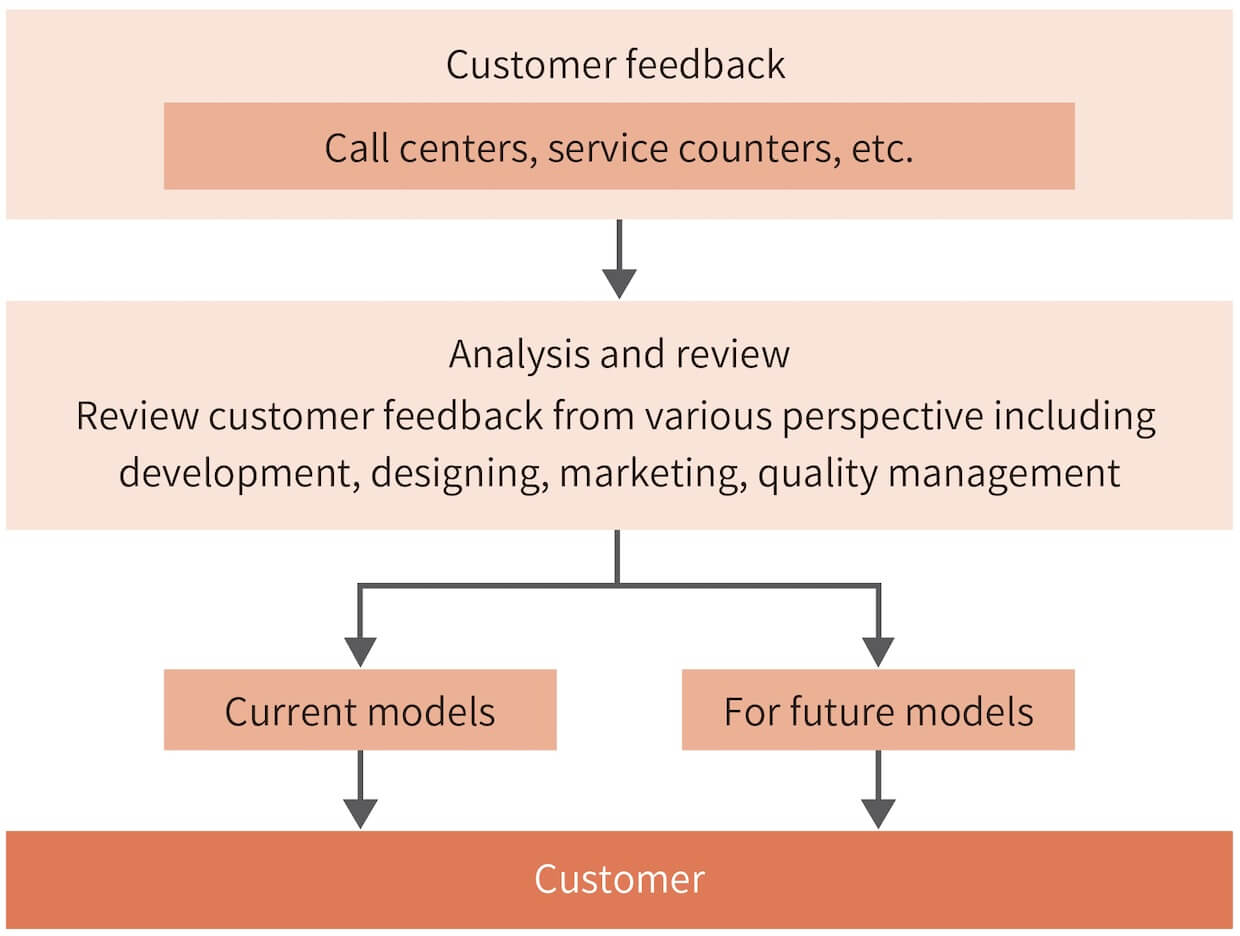
At Nikon Imaging Products, feedback is received through call centers, service counters, and NPS* staff from general and professional users as well as users who use photographic equipment in businesses worldwide. After careful analysis, customer feedback is examined from a range of different perspectives by the Product Development, UX, Marketing, and Quality Assurance departments, and by other relevant departments. The results are reflected in our products and services leading to improved customer satisfaction.
Nikon will not only continue to develop new products, but we will also actively update functions to meet the needs of our customers as rapidly as possible post-purchase.
- *Nikon Professional Services (NPS): A membership-based support service for professional photographers who use Nikon products.
Improving Product Usability and Accessibility
In accordance with the Nikon Group Quality Management Directive (QMD), we conduct usability tests through internal and external testers, online surveys, and expert assessments during product development, taking into account safety and ease of use. We are also committed to developing products that customers use comfortably, conducting objective assessments of human factors (physical, perceptual, cognitive, and operational loads).
We established the Design Center as a cross-functional organization to enhance our product- and service-related capabilities in terms of user experience (UX) design, industrial design, user interface (UI) design, and content design—including graphics and videos. In this way, we aim to enhance the subjective value (quality of experience) of products and services—the satisfaction, delight, ease of use, and psychological comfort that customers experience through our products and services.
Service Improvement Initiatives [Imaging Products Business]
In our Imaging Products Business, in keeping with our customer-first mindset, we aim to provide services that make our customers say, "I am really happy I chose a Nikon product." As of the end of March 2026, the business has established an organization that can consistently deliver high-quality services via more than 200 repair service facilities and direct contact points (customer service counters) in 70 countries and regions around the world. The business also strives to improve service quality through a diverse range of initiatives on a global scale.
Featured
Nikon ZR Usability Considerations and Functional Enhancements Based on Customer Feedback
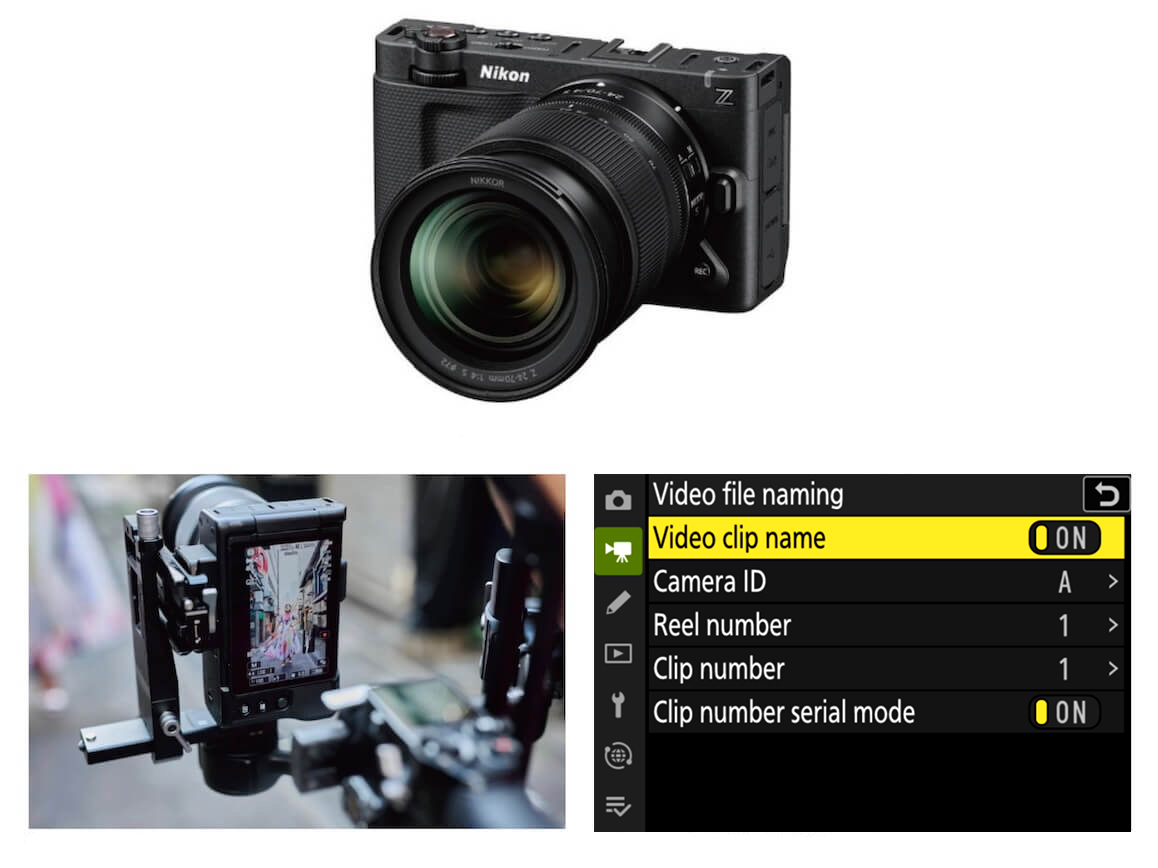
Nikon designs cameras with usability in mind for diverse users and usage environments. We select color contrast designs to conform to the World Wide Web Consortium (W3C) Web Content Accessibility Guidelines (WCAG) 2.2 and offer multilingual support (including languages written right-to-left). One example is the Nikon ZR, launched in October 2025. We equipped this camera with a large-screen monitor that also supports vertical display, reducing visual and cognitive load.
Even after the launch of the camera, we listened carefully to requests from customers around the world, endeavoring to improve the convenience and value of the customer experience. We implemented a firmware update (Ver. 1.10) in January 2026, only three months after the launch of the Nikon ZR, responding promptly to customer feedback. The update extended video recording time, added support for wired connection of timecode for synchronization for video and audio, as well as accurate synchronization between multiple cameras, and added video-specific file name settings to avoid duplicate video file names. In adding these new functions, we revised the operation flow and settings screen layout to ensure intuitive usability in production locations. As a result of the update, we confirmed that users gained practical benefits, including improved editing efficiency in multi-unit operations and reduced file management burden in post-production.
Sustainability Report 2026
See the Enhancing Customer Satisfaction section of our Sustainability Report for more information.

Sustainability Report 2026 Data Index
View data related to our social initiatives.
Related Information
About Nikon Design | Design
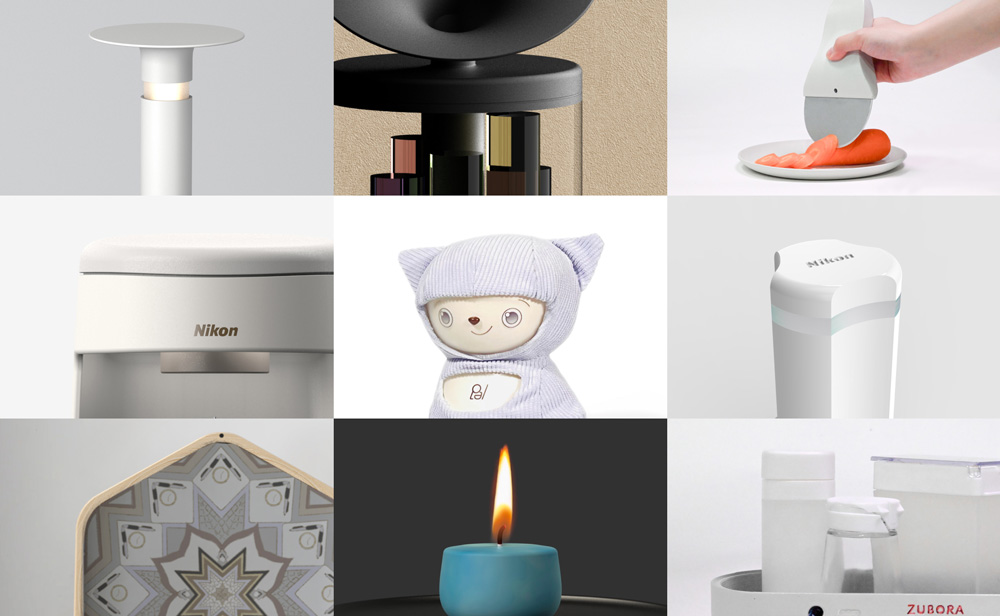
Nikon’s design continues to pursue inspiration and comfortable tactile sensation.
Stories | Technology

Read about Nikon researchers' enthusiasm and our innovations, that are contributing to society.