

Future-focused design, shaped together with students Nikon × Tama Art University Industry–Academia Collaboration Project
- Activity

コンポーネント番号: 12
コンポーネント番号: 1
Description
コンポーネント番号: 3
In-house designers often play a role in a variety of areas. At Nikon, these designers contribute to
aspects such as brand-building, fostering innovation, and enhancing customer experiences through
design. They engage in every process leading to the creation of products and experiences, from
envisioning the future to strategizing how to realize these visions. Focusing on the work of
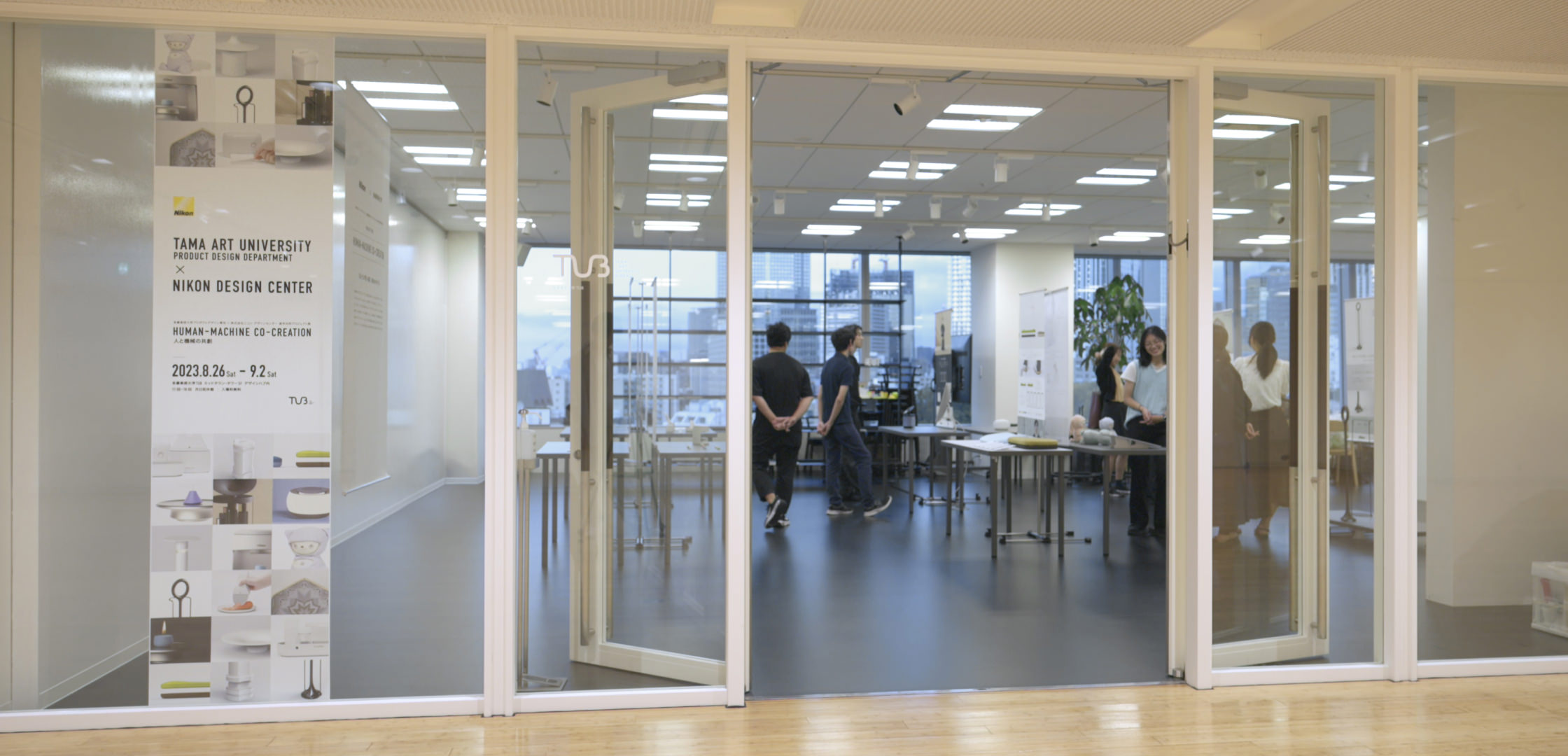
in-house designers, Nikon joined with Tama Art University for an industry-academia collaborative
project centered around 'Human-Machine Co-creation.'
Original Nikon workshops that are tailored
for students majoring in product design were organized, offering them practical learning
opportunities. At the same time, Nikon's designers received fresh perspectives from the students'
problem-solving approaches.
コンポーネント番号: 16
コンポーネント番号: 9
Collaborating university on this project
-
Product Design Course, Department of Industrial Design, Tama Art University
コンポーネント番号: 9
Project Group
-
Industrial Design Group
-
Experience Design Group
-
UI & Interaction Design Group
コンポーネント番号: 12
コンポーネント番号: 2
Experiencing being an in-house designer
コンポーネント番号: 3
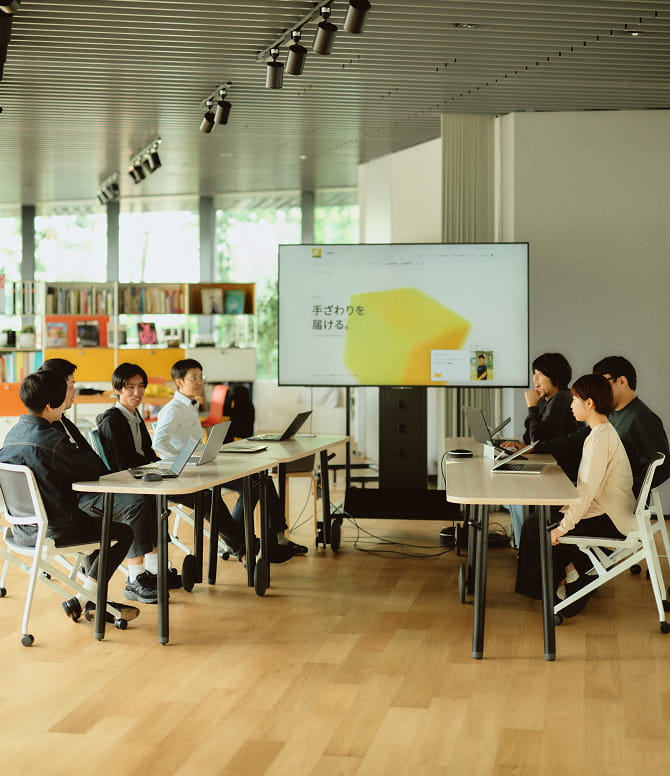
In this project, students received hands-on experience with Nikon, going through the entire process
from planning to product development. They started by envisioning the future they wanted to create,
leading to discussions where they related personal experiences and societal issues to create a
storyline for their final output. From there, they brainstormed ideas for problem-solving, turning
them into tangible product designs. Finally, they presented their work and effectively communicated
the value their product offered.
While engaging in diverse activities beyond just thinking
about colors and shapes, students began imagining themselves as future designers at work.
コンポーネント番号: 5
コンポーネント番号: 12
コンポーネント番号: 2
What kind of future do you want to create?
コンポーネント番号: 3
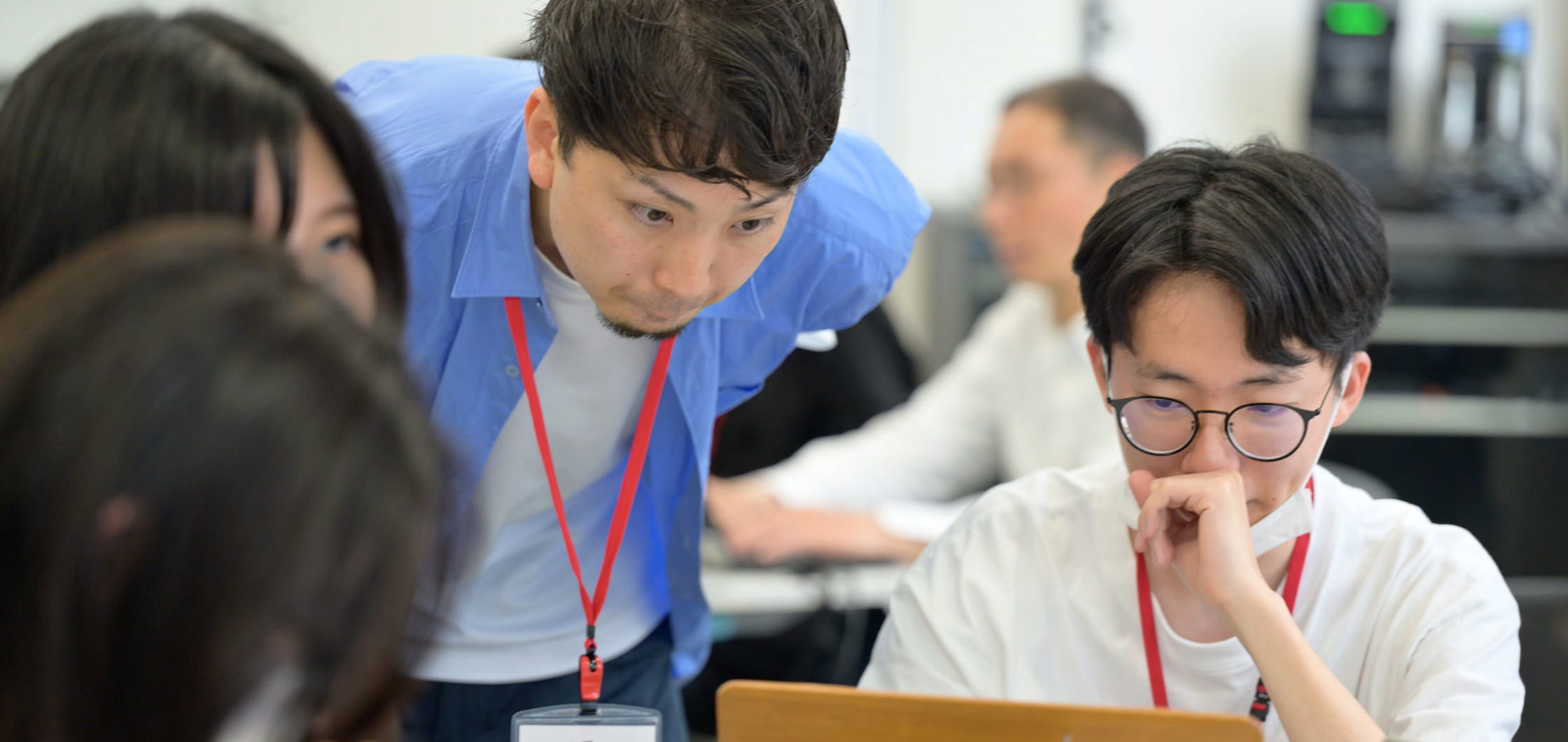
The first task the students tackled was the 'Future Insights Workshop.' Nikon designers teamed up
with student groups to gather information from news and various other sources, to help them
understand emerging societal shifts and discuss how these changes might impact people's lives and
values. Then they deliberated on what values would be sought after in the future.
When
creating unprecedented value in the world, it's crucial to have foresight into the future. However,
the Nikon product designer knows that simply predicting the future isn't enough.
As he
explains, 'With the rapid advancement of technology and other factors, the world is becoming more
uncertain, entering an era of unpredictability. That's precisely why designers need to proactively
take action, contemplating a wide range of possibilities to create the future they want."
After
taking into account shifts in future values and the issues one aims to address personally, while
formulating a vision for 'the kind of future I want to create", you can then unite various members
within the organization and tap into valuable technical expertise from engineers for support.
コンポーネント番号: 5
コンポーネント番号: 3
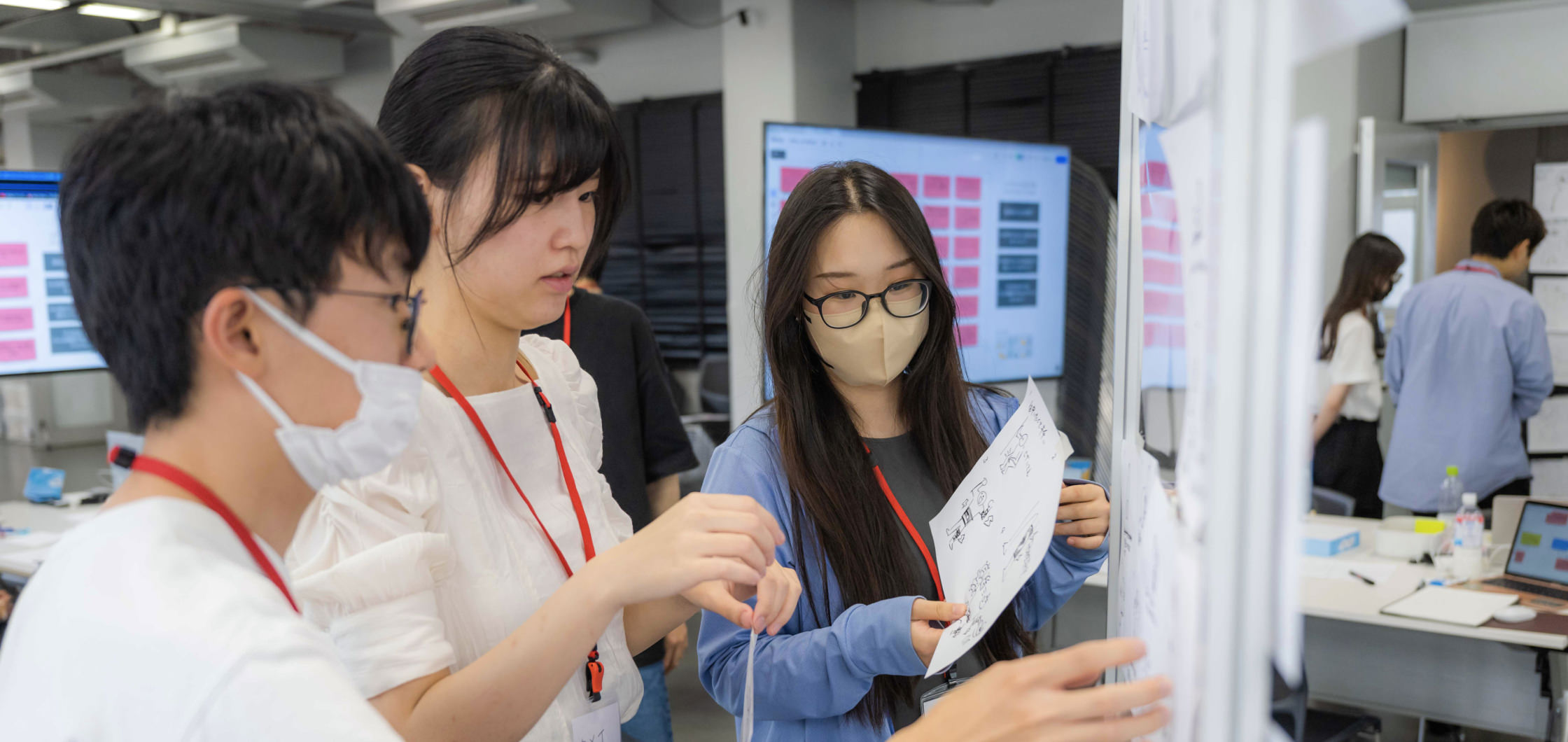
The Covid-19 pandemic prompted many students to deal with the challenges of navigating social distancing and care for emotional wounds. They now aspire to create a society that cherishes individuality more deeply, aiming for a society where people can better understand each other. These are the sentiments resonating from students who have come of age in this era of significant change.
コンポーネント番号: 5
コンポーネント番号: 12
コンポーネント番号: 2
A relatable and compelling concept
コンポーネント番号: 3
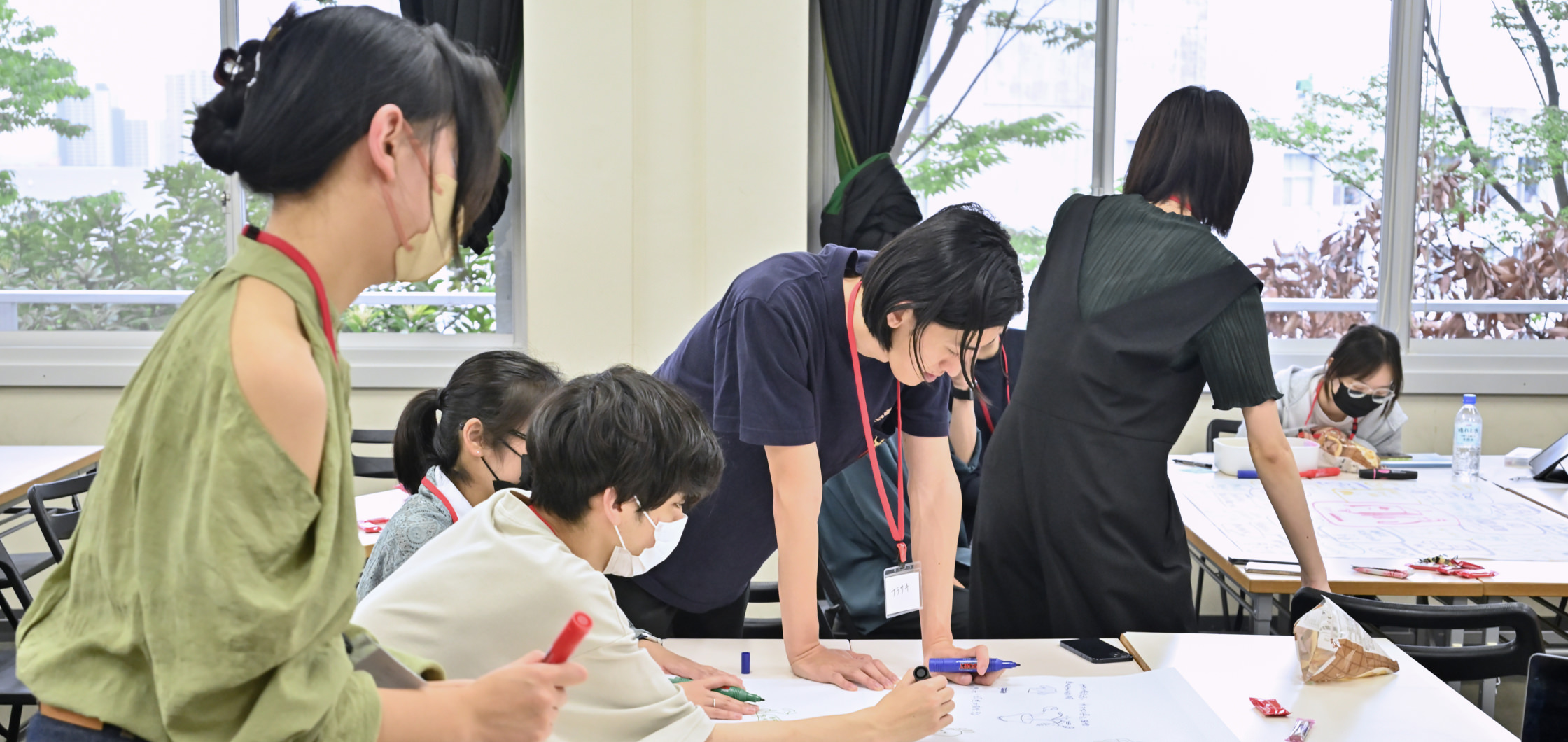
Next, the students contemplated the values expected in the envisioned future and delved into
concrete solutions and ideas. The UI designer highlights the significance of reassessing one's own
ideas from a broader perspective in this process.
"The signs of personal change and
expected future values often remain abstract when left unorganized. To ensure understanding and
relatability, it's crucial to structure these ideas in a way that makes sense. When ideas become
tangible, how might actual experiences or systems take shape? Do they align smoothly with the
intended value? Are they distinguishable from existing solutions? Refining these aspects from an
objective perspective is key."
Sometimes thinking on your own can lead to hitting a wall.
The product designer suggests, "At times like that, you can use the method of 'borrowing someone
else's brain'."
"I was introduced to this method in my university days by a professor
Nakata from Tama Art University, who has joined us in this project. We'd use a large sheet of paper
on which to brainstorm ideas, then add others' ideas alongside ours. Initially, we tended to become
fixated on our own thoughts, but by forcibly incorporating different perspectives, we can prevent a
concept from becoming too self-centered."
On the other hand, the experience designer
involved in future-centric design proposed another method to the students: speaking directly with
the intended users of the product.
"A student was struggling with how to consolidate the
concept into the design. I advised, 'instead of being stuck in contemplation, why not take the bold
step of seeking out an expert and bouncing your ideas off them?' For instance, if it's for
counseling purposes, approach a counselor. If it's for use at schools, talk to a teacher. This
student took action, connected with a teacher who provided insights, and was able to effectively
refine the concept," the designer explains.
Once the concept that is to be used as the
backbone of the product is established, the next phase involves translating it into creation of an
actual product.
コンポーネント番号: 5
コンポーネント番号: 12
コンポーネント番号: 2
Shaping the envisioned future
コンポーネント番号: 3
Professor Nakata of Tama Art University has long been watching over the growth of students in the
Product Design Department. Something he anticipated from this industry-academia collaborative
project was the enhancement of students' 'creativity'.
"In recent years, there's been a
trend in focusing more on the design of services related to a product rather than the physical form
itself. However, I believe it's equally important to pay attention to the sensory aspects, such as
whether it feels nice to touch, if you can sense warmth, or if it feels gentle. I think that the
collaboration with Nikon can serve as an opportunity for students to cultivate that 'actual
creativity' emphasizing these perceptual dimensions.
コンポーネント番号: 6
コンポーネント番号: 3
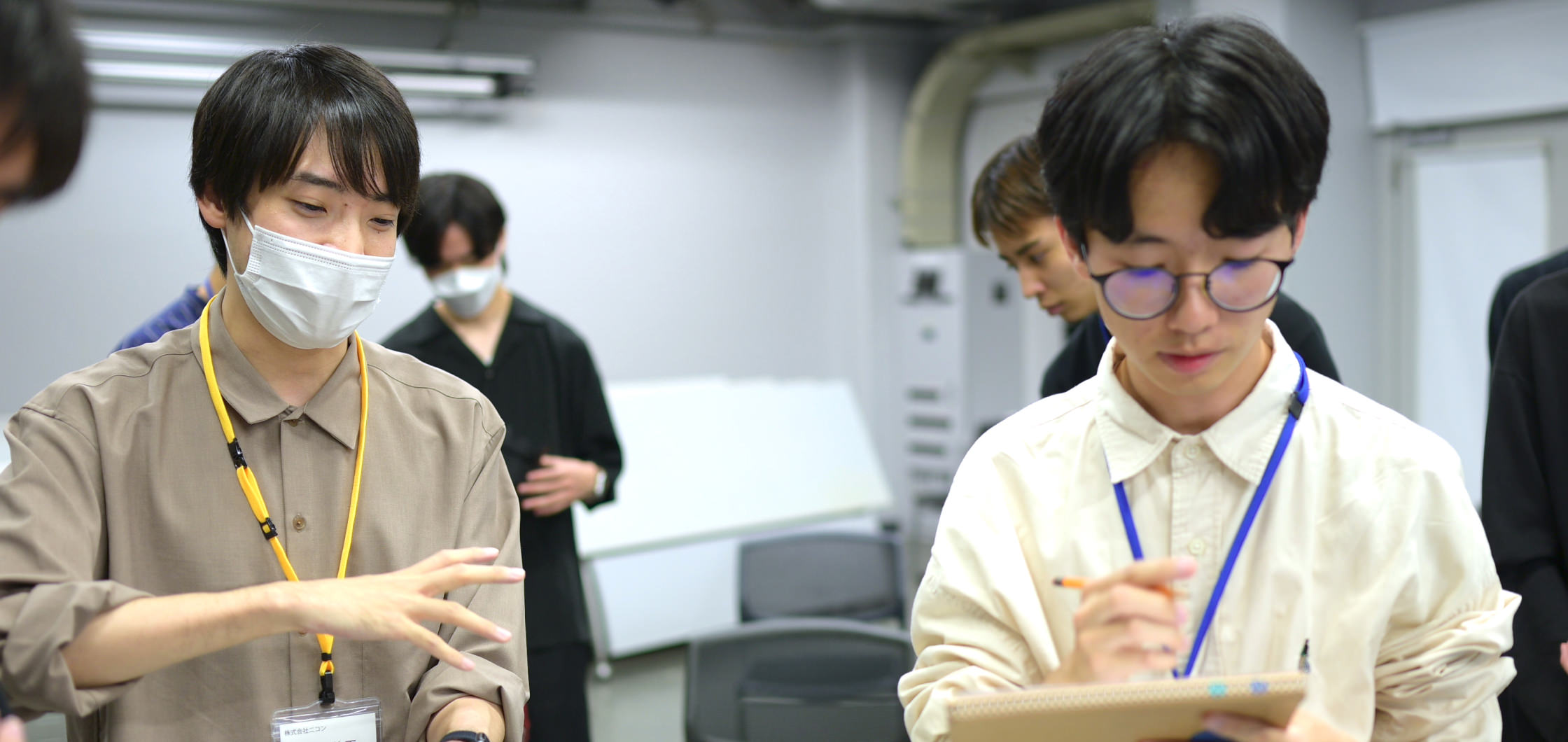
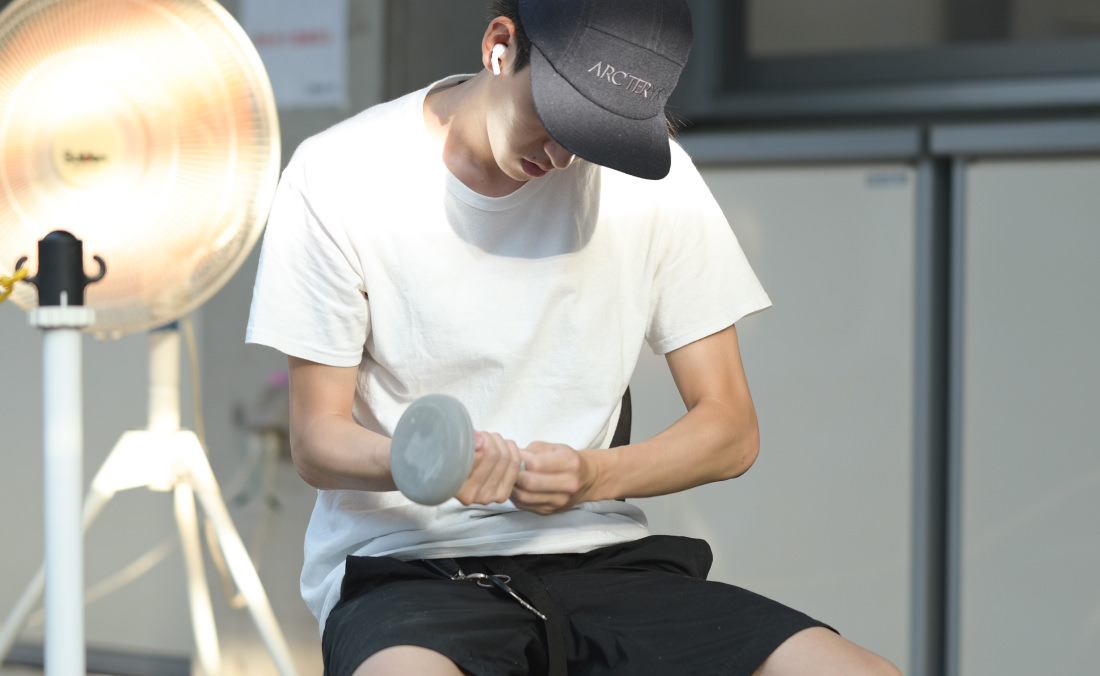
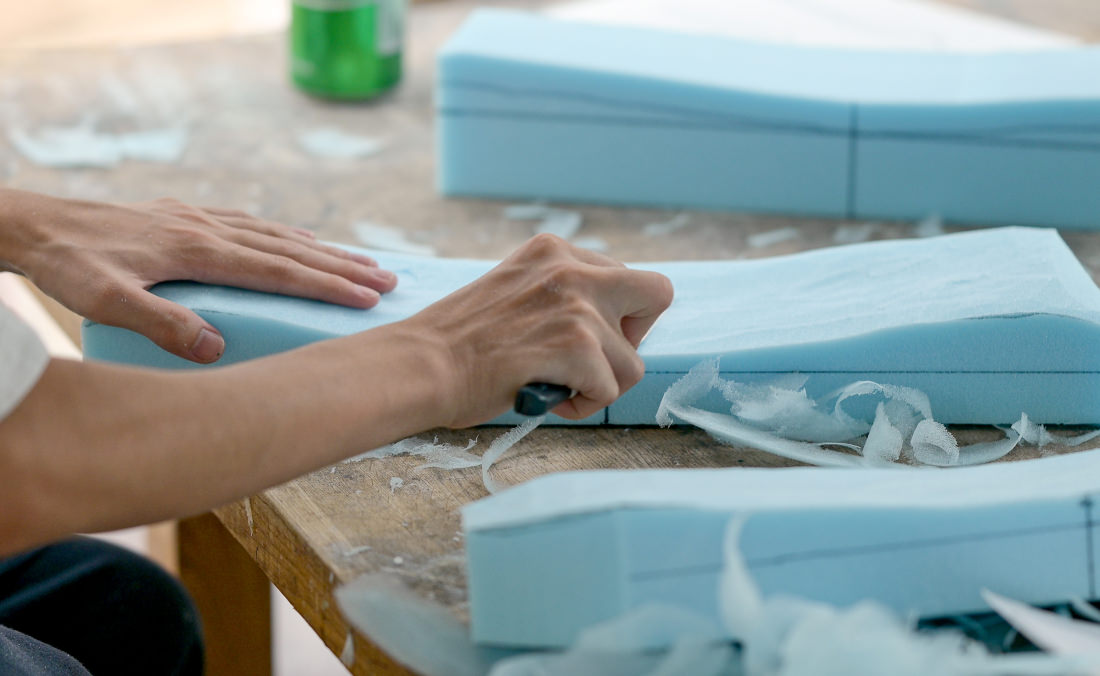
The creative process can be viewed as moving from interpretating a theme to identifying challenges,
attempting solutions through tangible forms — with coherence from concept to output.
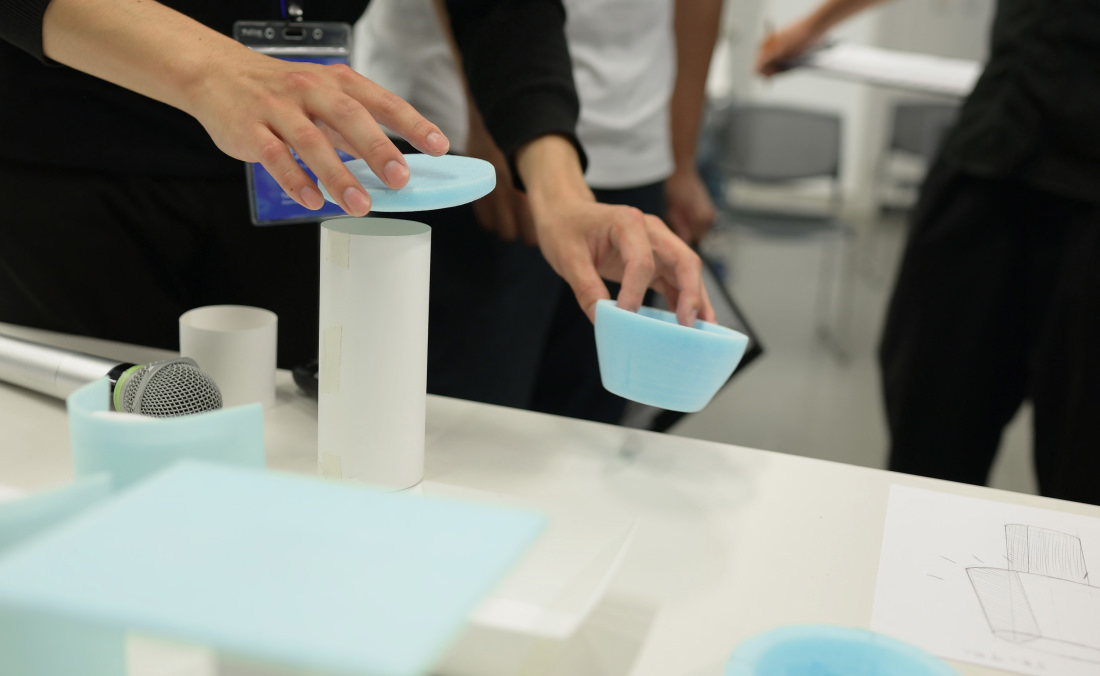
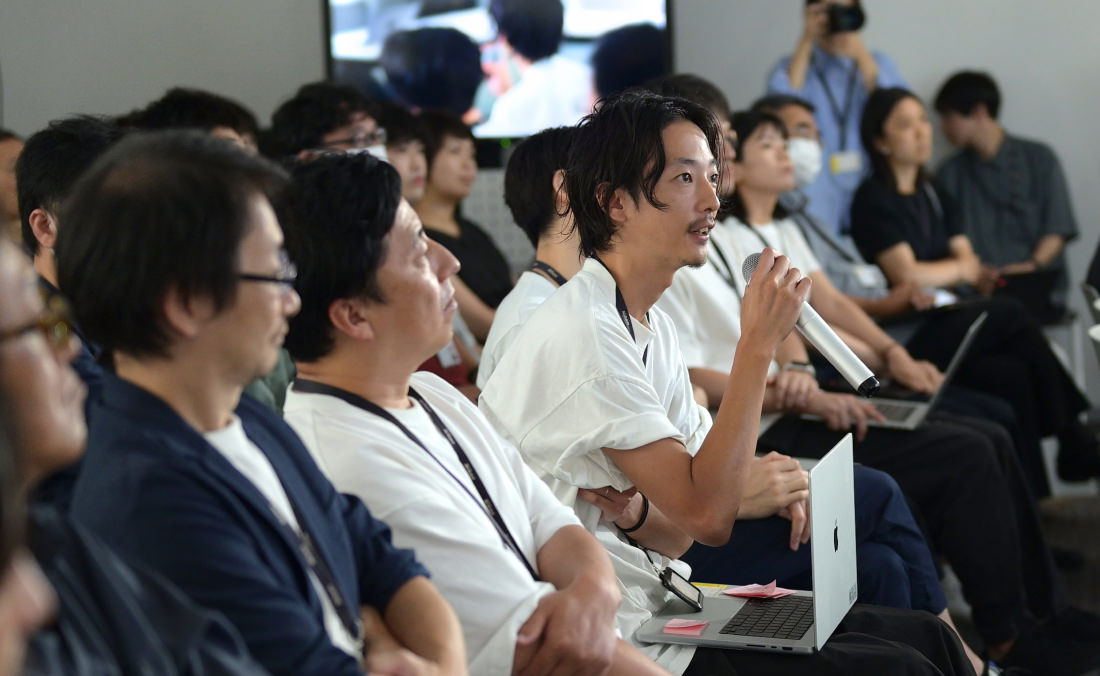
Throughout
each workshop, all of the creations developed by the students culminated in designs where the
underlying intentions and the desired values to be delivered to users were distinctly and clearly
felt.
コンポーネント番号: 6
コンポーネント番号: 3
"The attractiveness of being an in-house designer lies in handling every aspect, not just parts of a
project, but seeing it through to its release into the world," assert the Nikon designers who
participated as instructors.
From the struggle of creating a concept out of nothing to the joy
of seeing the product take shape, from the camaraderie in sharing ideas to the difficulty of
conveying thoughts to others — all these feelings will surely become valuable assets for the
students' future. Undoubtedly, through the experience of participating in this project, these
designers will create new products and experiences that will contribute to making a better
society.
Nikon will venture into creating new values based on the insights gained from the
interactions that took place through this collaboration.
コンポーネント番号: 5
コンポーネント番号: 6
コンポーネント番号: 2
Student creations
コンポーネント番号: 8
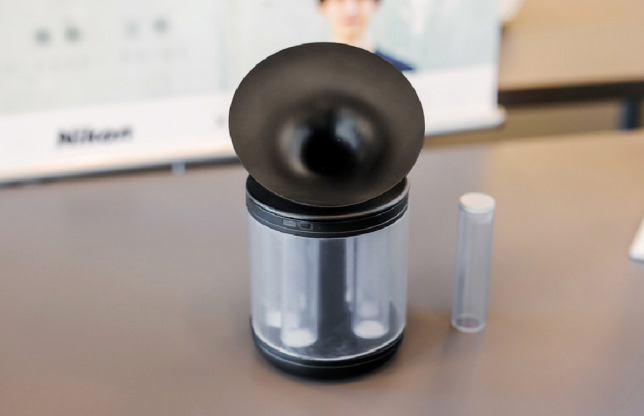
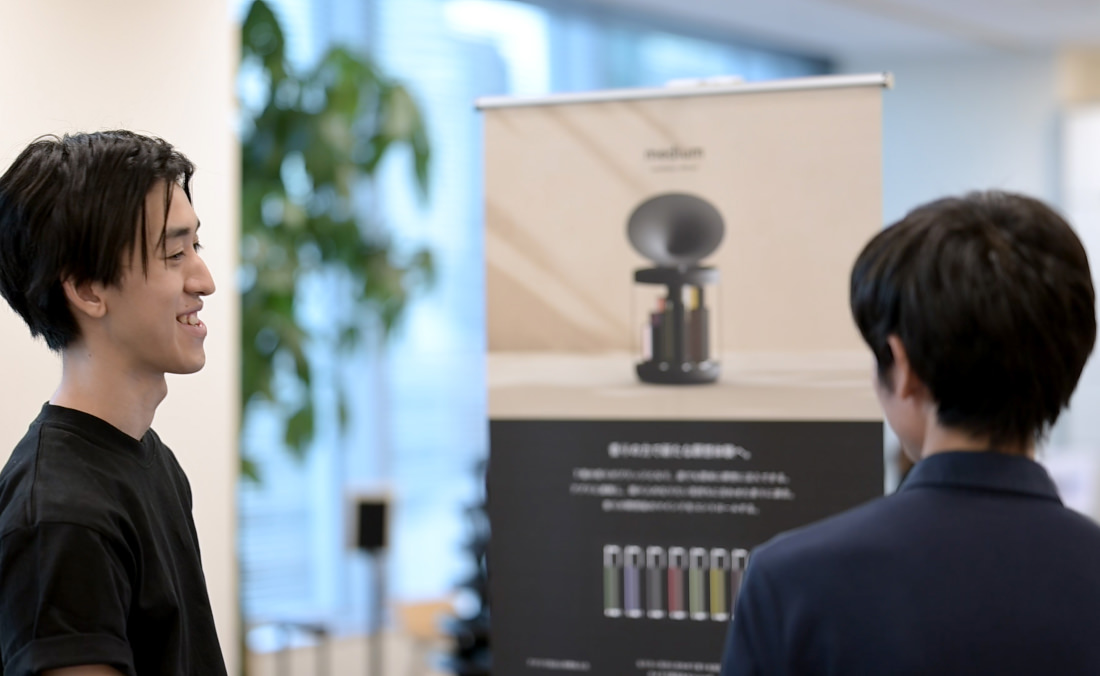
"medium"
A device designed to support meditation through aroma and sound.
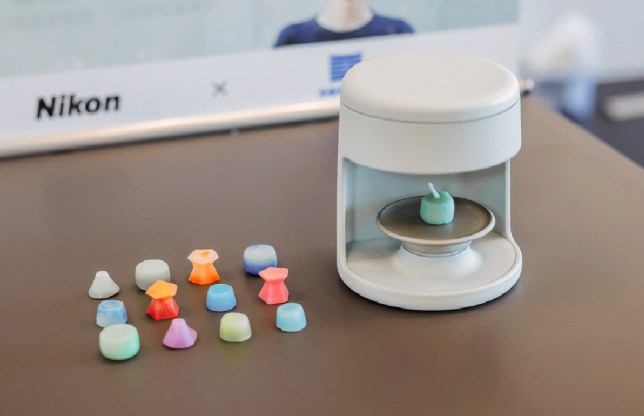
"Luzette"
An aroma candle printer that senses your emotions and generates an aroma that best suits that moment.
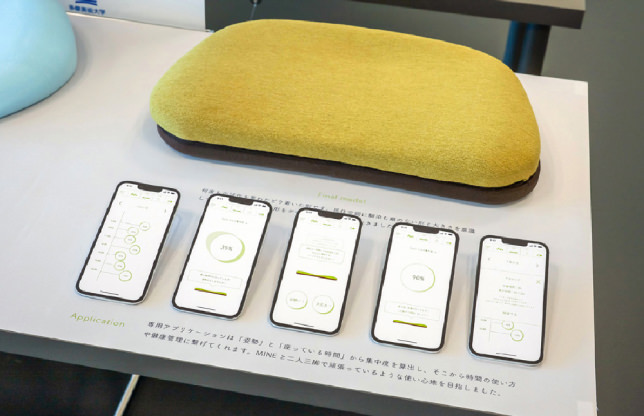
"MINE"
A posture-correcting cushion for remote-work users, designed to manage concentration levels.
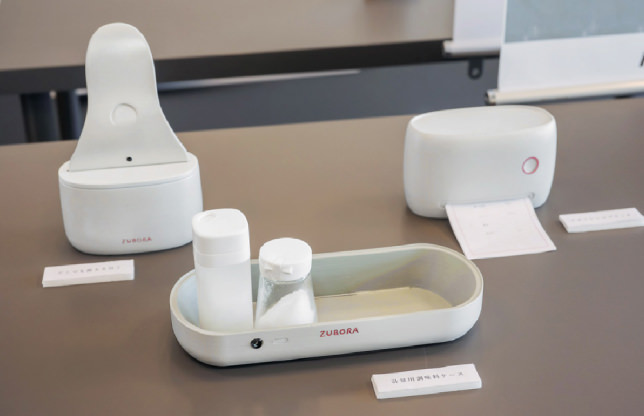
"ZUBORA"
A kitchen tool that can translate intuitive cooking into recipes.
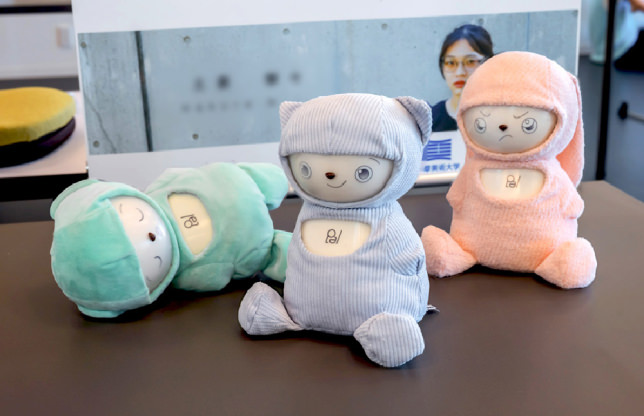
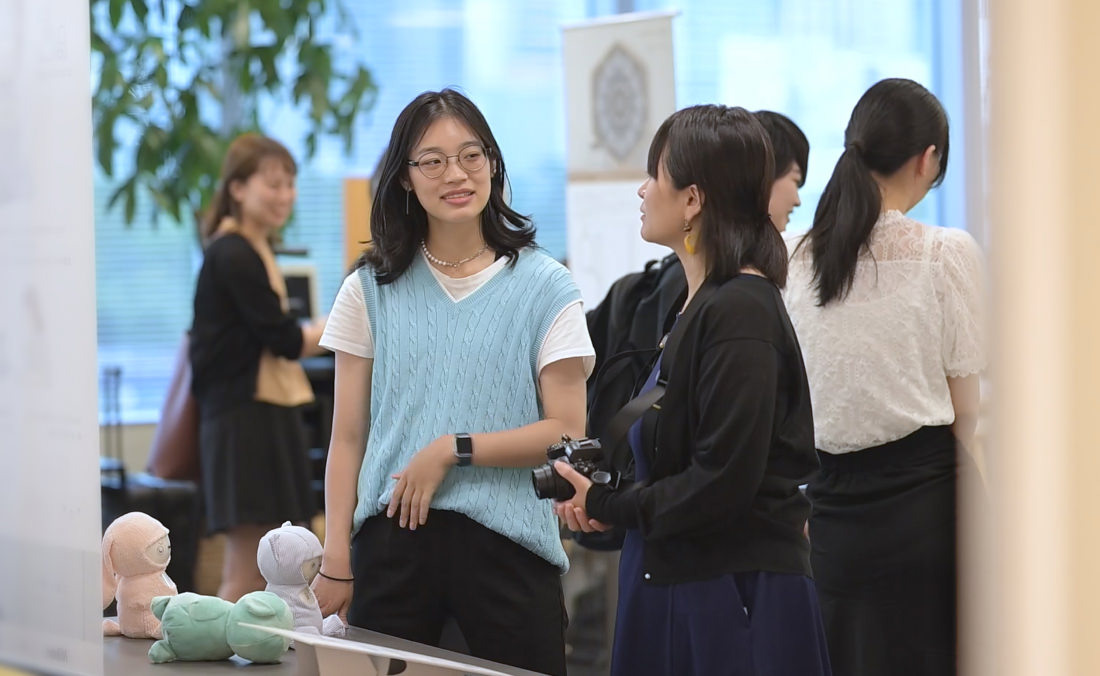
"Paru"
A plush robot to help children with ASD communicate.
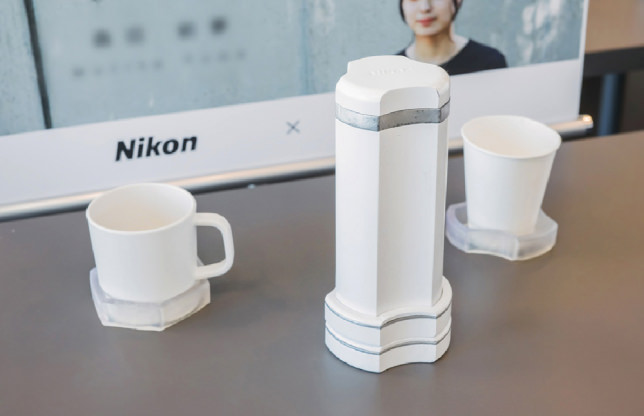
"mee"
A drink holder-shaped device designed to facilitate mutual emotional understanding during meetings.
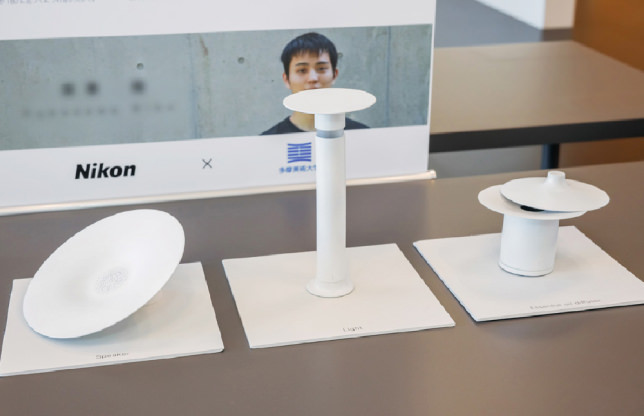
"TUNE"
Home appliances operated through natural human gestures.
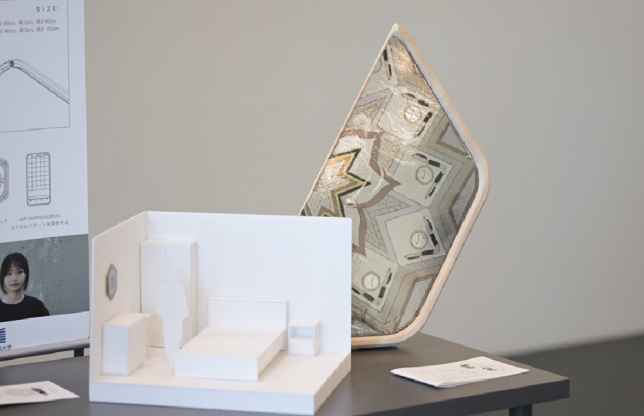
"Outfit mirror"
A mirror that creates a graphic pattern based on the user's emotions and outfit.
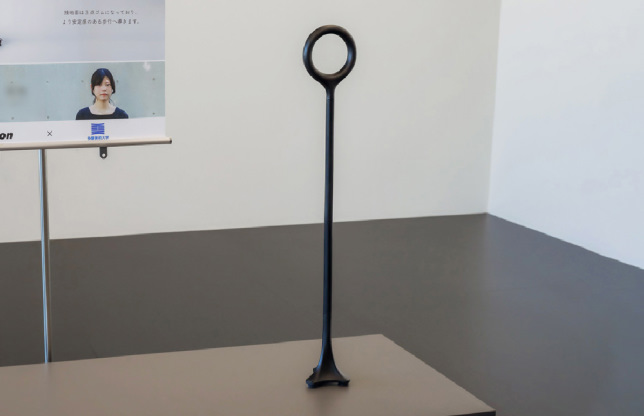
"connect"
A smart cane that monitors health status and supports elders when they go out.
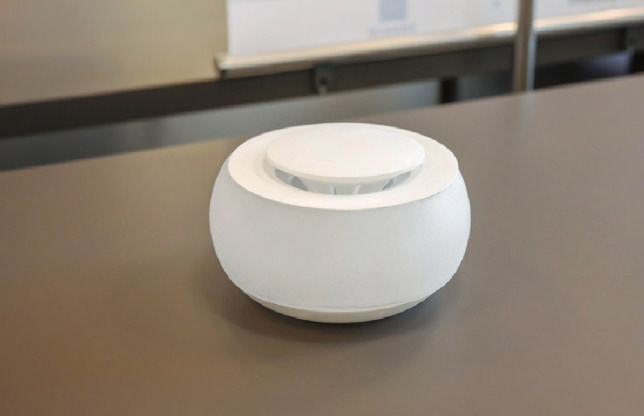
"calm"
Lighting fixture designed to help regulate breathing and promote relaxation.
コンポーネント番号: 10
Students have experienced a sense of reality in society, the rigor, as well the fun of creating
something through Nikon's unique curriculum, contributing to their personal growth. The 'P' in
product design will transform into 'phenomenon' in the future, signifying a shift toward designs
with compelling messages rather than just simply the appearance.
I look forward to seeing these
students who have grown through this project play active roles in the future.
Kiyoshi Nakata
Tama Art University Faculty of Art and Design Department of Product and Textile Design Product Design Course Professor
コンポーネント番号: 13
*The information provided is current as of the time of publication and may differ from the latest information.
More Works
-

- Activity
Design for brand building that depicts our vision
-
- Activity
The next Nikon design: Creating new value through a future-driven mindset
-
- Product
Advancing with Traditional Design Principles: Z fc Mirrorless Camera
-
- Activity
Unique experiences collaboratively embodied by Nikon and its users
-
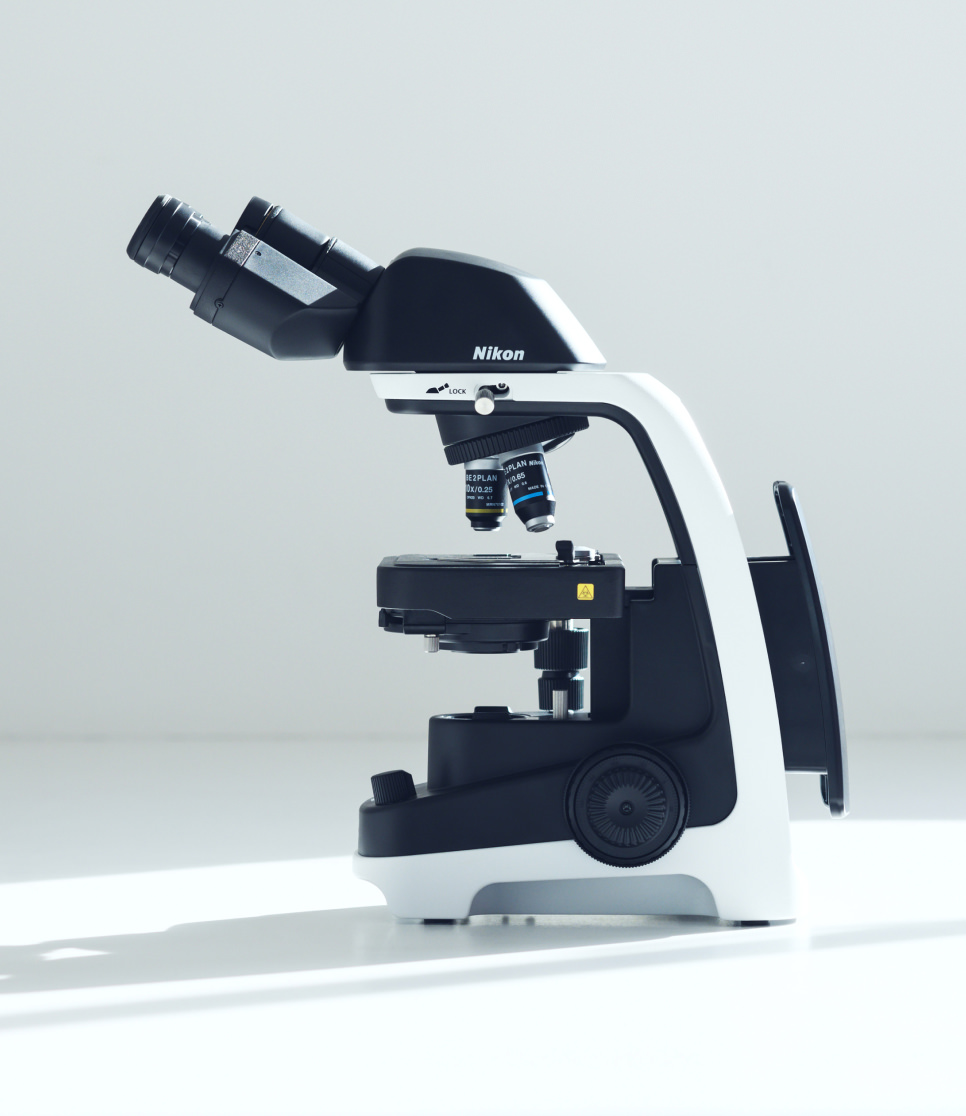
- Product
Innovative Learning with the ECLIPSE Ei Educational Microscope
-
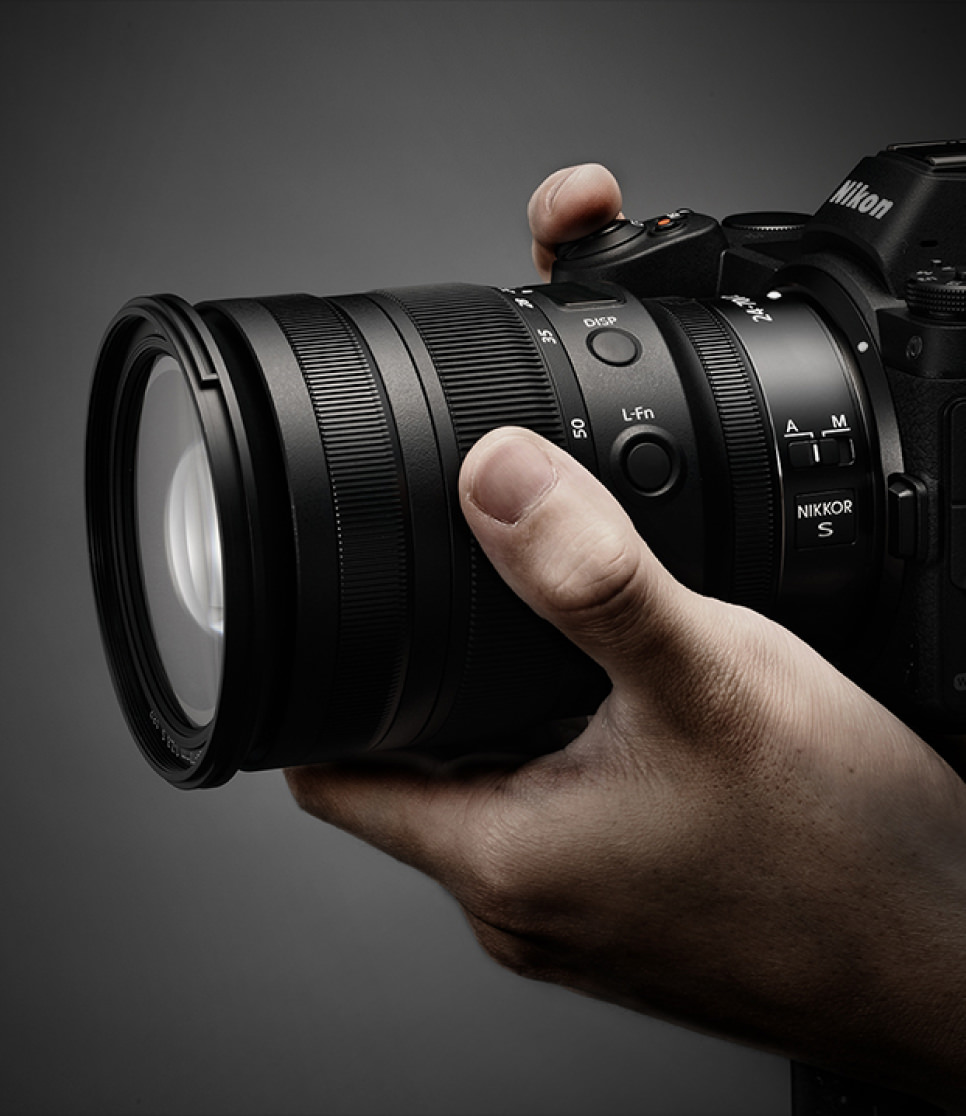
- Product
Enhancing Optical Performance with a New Dimension of Craftsmanship: NIKKOR Z Lens
-
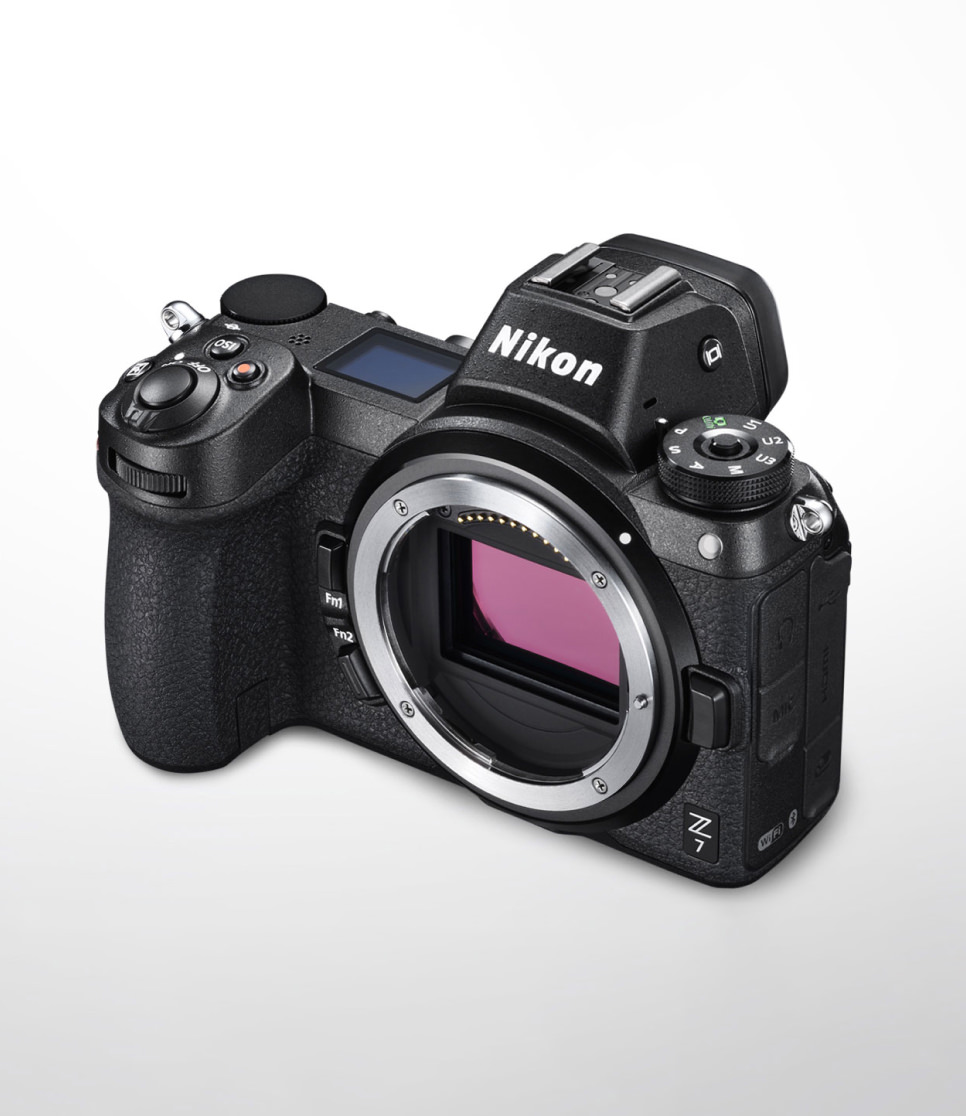
- Product
New Nikon Style Interweaving Innovation and Tradition: Z 7/Z 6
-
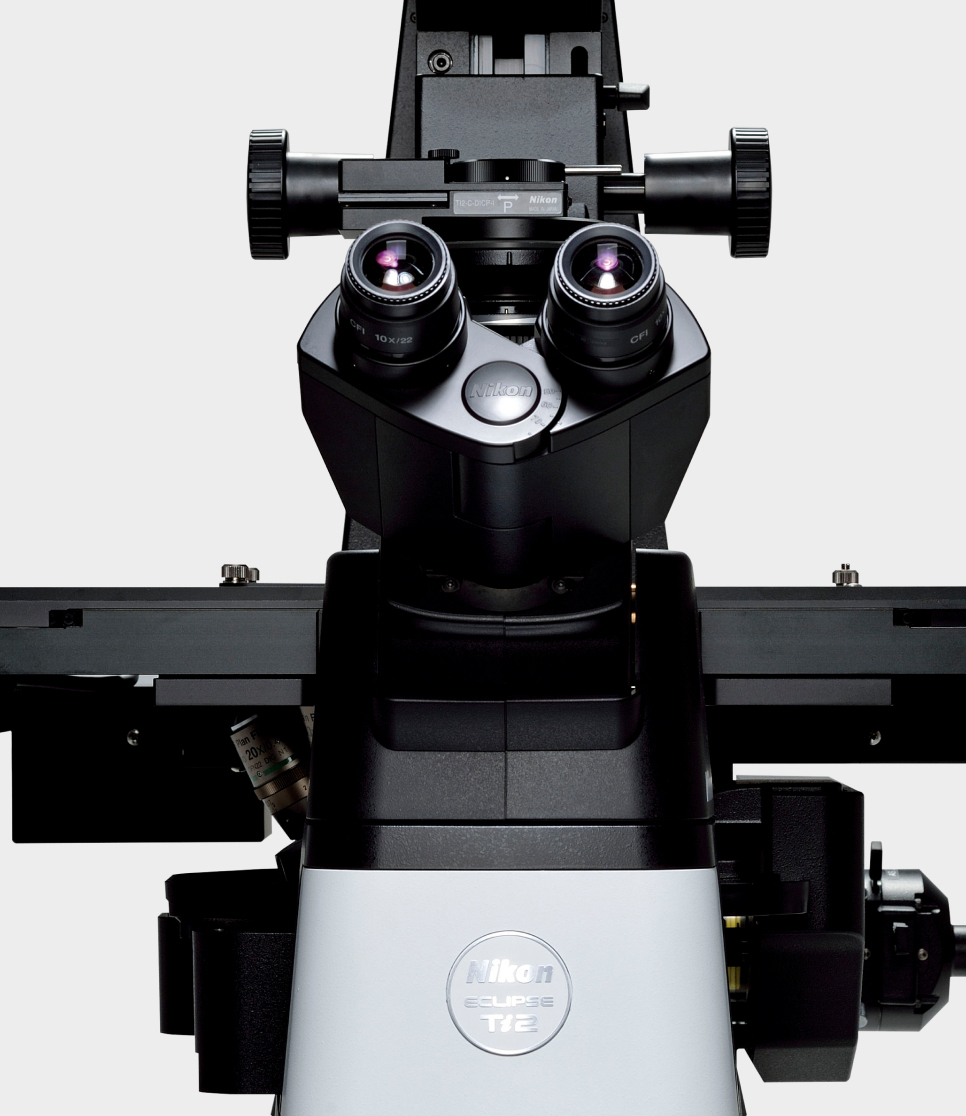
- Product
Aiding User Focus through Intuitive Operation: ECLIPSE Ti2
-
- Activity
Technology and Design: A Website Renewal that Highlights Each Area’s Distinctive Appeal