
Image Processing
Image processing technology is necessary for adding high value to optical instruments. Cameras process images to create the images customers want to see, and microscopes and measuring instruments extract the final desired information from the captured images. It is also possible to extract the necessary information after reconstructing and compositing captured images. Image processing technology plays an important role not only in products but also in replacing visual adjustments and inspections that were previously performed by humans in the manufacturing process.
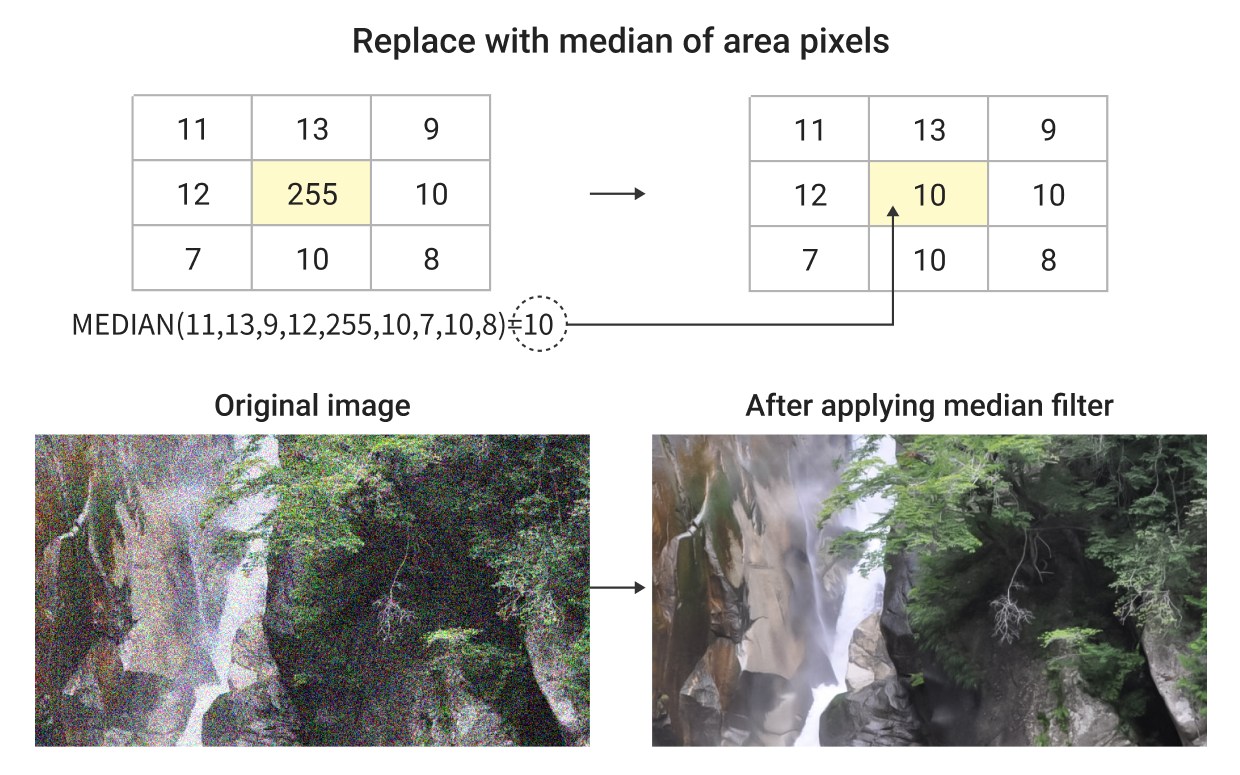
Noise Reduction
By reducing signals that are not targeted in images, the subject can be clearly reproduced in a photograph, and precise information can be extracted from the image. It is essential to prevent the originally desired signal from being lost during noise reduction, and image processing suited to the expected noise is required. At Nikon, noise reduction is an important technology for camera images in low-light conditions, microscope images of thick samples, and Video Measuring Systems.
Object Detection
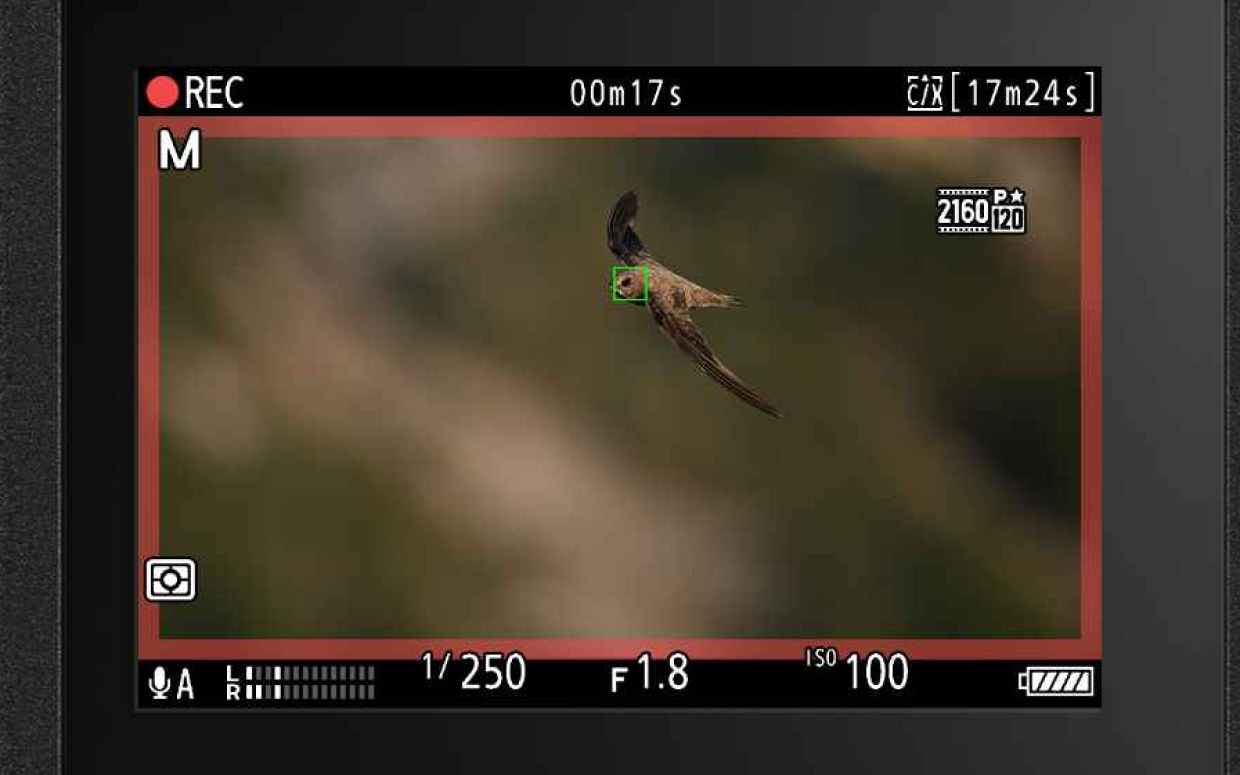
By recognizing objects in an image, it becomes possible to automatically focus on and track those objects, as well as automatically classify a large number of images. In addition, as a robot's eye, it can act autonomously based on the objects it recognizes. At Nikon, it is used in cameras to focus on the subject desired by the user, as well as for object recognition in robot vision.
You can search for articles related to Nikon’s technology, research and development by tag.