Management and Reduction of Waste

Basic Approach
As society transitions to the circular economy, companies are expected to reduce waste, reuse, and recycle resources, and reduce their environmental impact to the greatest extent possible.
We reduce final landfill disposal of waste or recycle waste as resources, and we are committed to environmental considerations throughout the product life cycle, striving to reduce waste from product manufacturing processes and business sites.
Related Policies

Strategy
We adopted the concept of zero emissions, striving to not only reduce emissions but to reduce emissions to zero for society as a whole by using waste as a resource in other industries. Here, we introduced our own level-specific targets into zero emission initiatives to reduce final landfill waste volumes and encourage resource circulation.
We established the Waste Disposal Guidelines to ensure the proper outsourcing of waste disposal (including the selection and contracting of appropriate outsourced waste disposal contractors) in accordance with the laws of each country. The Waste Disposal Guidelines require all production facilities to confirm proper disposal of waste through the monthly management of discharge dates, disposal completion dates (intermediate disposal), discharge type, discharge weight, and amount of landfill waste (including the amount of final disposal not recycled). We evaluate waste management at each site through EMS assessments to identify issues and make improvements. Furthermore, departments in charge of waste disposal train employees at the relevant sites to improve overall waste management.
Featured
Towards Zero Emissions
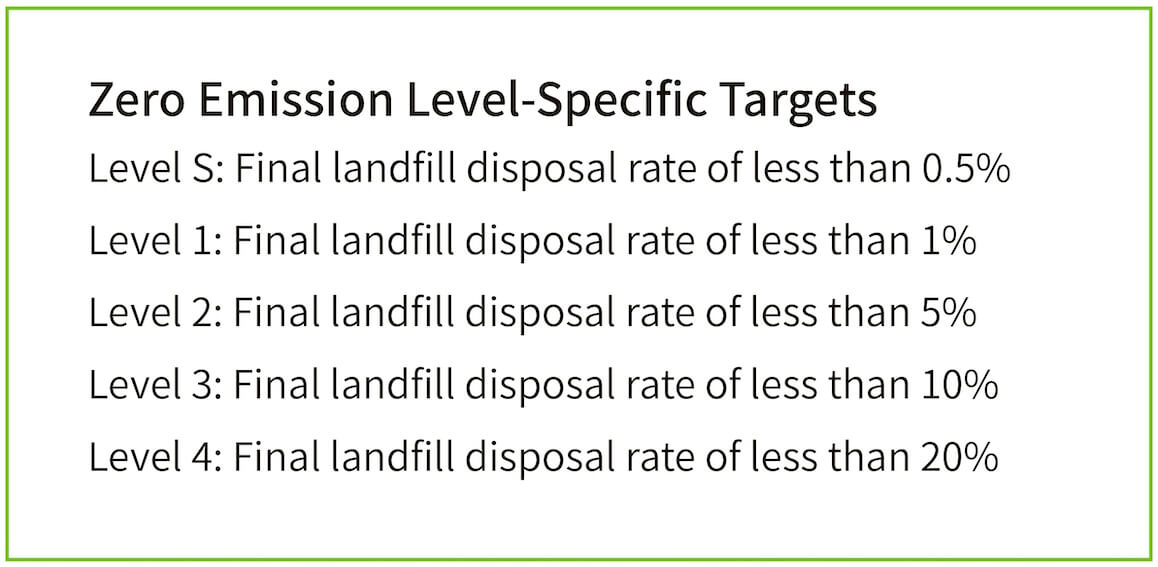
- *1Final landfill disposal rate = Final landfill amount / (waste + valuable resources).
- *2The final landfill amount is the amount of waste disposed of by landfill at the final disposal site.
The Nikon Group has introduced level-specific targets into zero emissions* initiatives.
Nikon and Group manufacturing companies in Japan maintain Level S status. Hikari Glass (Changzhou) Optics Co., Ltd. (China), Nikon X-Tek Systems Ltd. (UK), and Nikon SLM Solutions AG (Germany) achieved Level S status in fiscal year 2025. In addition, Nanjing Nikon Jiangnan Optical Instrument Co., Ltd. (China) achieved Level 1 status, while other Group manufacturing companies are making further efforts to achieve Level 1 by fiscal year 2030.
- *Zero emissions: Standard proposed by the United Nations University in 1994. The concept is to utilize waste and other materials emitted from industrial activities as resources for other industries to achieve zero waste in society as a whole.
Initiatives in the Manufacturing Process
Miyagi Nikon Precision Co., Ltd. collects and separates used soft vinyl (bubble cushioning material and plastic bags), converting the material into valuable resources. The company collects the used vinyl through the effective use of available space in company transport vehicles returning from transporting parts. Miyagi Nikon Precision Co., Ltd. adopted the use of compression packaging machines in fiscal year 2025. Through this initiative, the company recycles more than 45% of used soft vinyl as a valuable resource.
Abrasive agents used to polish optical glass are discarded as abrasive sludge after use. Abrasive sludge accounts for around 15% of waste discharged by the Nikon Group in Japan. The Nikon Group established a method to reuse these abrasives, achieving an approximately 45% reduction in abrasive sludge waste at the Nikon Shonan Branch, which produces photomask substrates. We are working to further reduce this abrasive sludge.
At Sendai Nikon Corporation, we are taking actions to recycle resources. For example, plastic waste is sorted by material and color, gate parts from molded products are crushed, and heating is used to reduce the volume of extruded polystyrene foam. With regard to metal waste, oil is separated from metal shavings by centrifugal separation, thereby enhancing the value of the recycled resources.
Sustainability Report 2026
See the Management and Reduction of Waste section of our Sustainability Report for more information.

Sustainability Report 2026 Data Index
View data related to our environmental initiatives.
Featured Highlights
This section details the unique Nikon approach toward creating a sustainable society.
Related Information
Brand Movie「Environment」
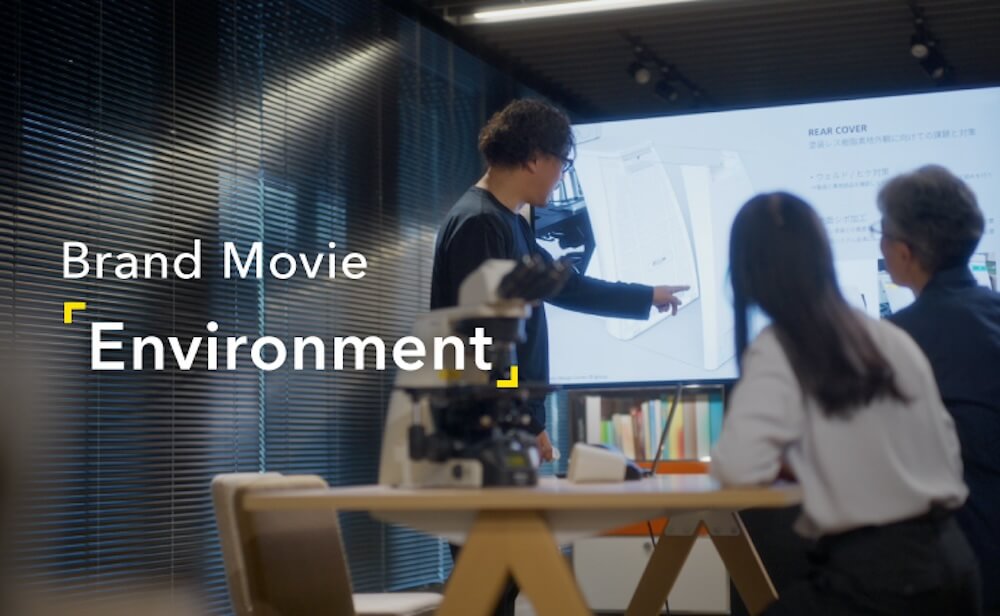
View our video highlighting Nikon's environmental initiatives here. (Runtime: 2m 34s. Information on our use of recycled plastic materials starts at 00:25.)